Sunday, 22 January 2017

Harappan unicorn symbol and issue of horse to prove Indus valley and vedic civilizations are one and the same

Image result for unicorn figurine indus

Unicorn and missing horse in Harappan Seals

Unicorn seal is the first seal found in harappan excavation. It is widely collected from different Indus valley sites. Western scholars think, this unicorn is a mythological animal as no biological remains (like bones) were ever found for a single horn animal resembling the description of unicorn in the world.

There is an interesting question. Why everyone thinks the "horn" as a "real horn"? Why not evaluate alternate paths? As this unicorn is depicted in a ceremonial setting, the horn could be a decoration to the animal (as other decorations observed on its neck and back can be observed) also.

May be a horse without horn looked odd to Harpans, so they might have decided to decorate the missing piece from gods creation. No proof (like bones) of any unicorn is ever found on earth. It is highly possible that, the ceremonial "horn" may have given rise to a story on "unicorn" in olden time itself. The "rushyashrunga" of ramayan itself might have based on such an idea. Without the horn the animal resembles a horse (due to pattern on neck).


Image result for harappan proto shiva

Harappan elephant also seen with decorations (observe pattersn around neck). As seals were used for trading, it was something like a 'trade license'. The sybol on trade license could mean royal emblems or royal animals. Royal animals always comes with royal decorations. So Be it Elephant, Tiger, Bull, Horse, Rhino or Antelope, they are 'Royal" animals belonging to to Head of state. So, the corn on the horse is nothing but a decoration on horse and does not depict a mythological animal 'unicorn' as flouted by western indologist. Every royal kindoms in India had royal animals. They were paraded in royal procession (one can see the tradition of Dasara festival in Mysore kings even today).


Harapan Rhino was decorated. Note the patterns on its neck and back. It indicates some kind of robing the animal for decoration.
 Image result for harappan rhino


Image result for harappan cat

The Bowl below Rhino indicates it to be a domesticated animal, just like the bowl before  bull (shown below). This indicates The Rhino in harappan seal is royal animal and not just some wild animal.


Image result for harappan cat


Same is the case with Tiger. A feeding bowl indicates, it is not wild tiger and hence it must be a royal animal.

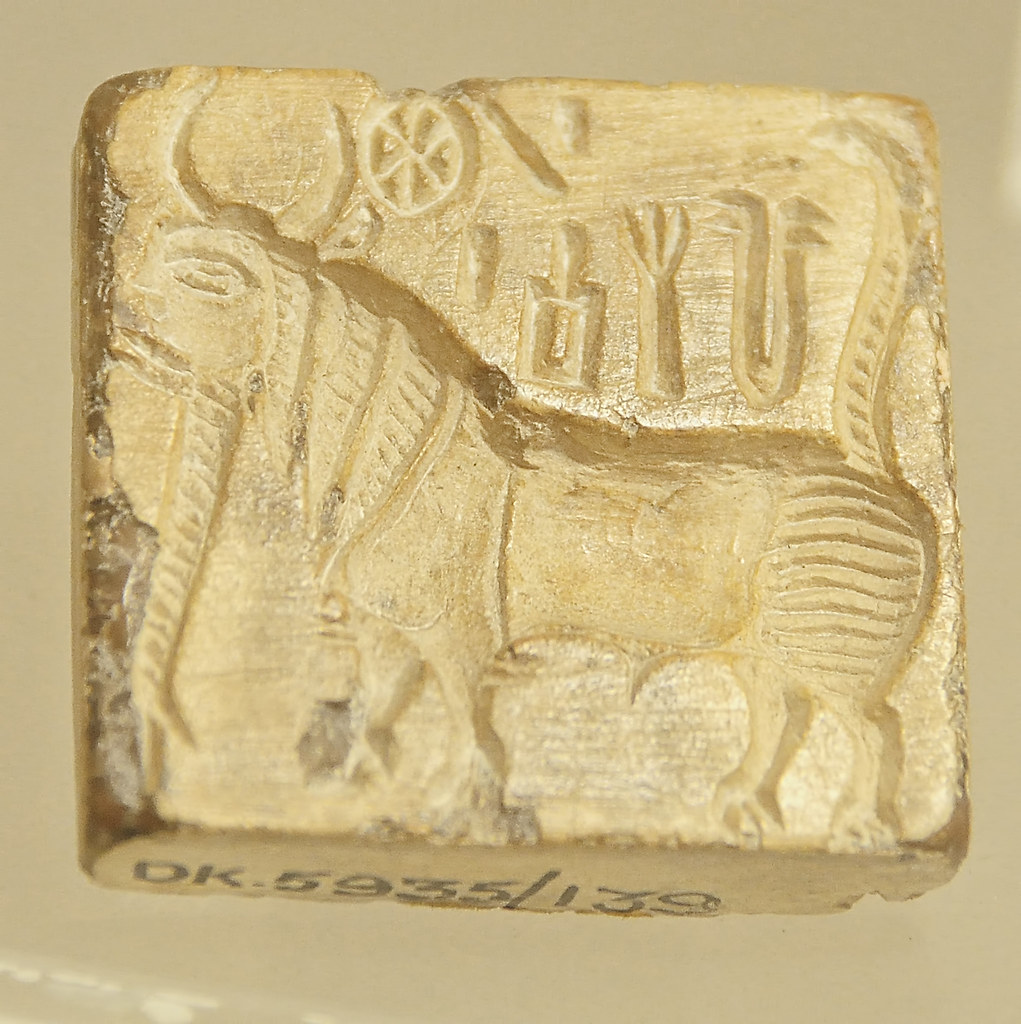

Image result for harappan cat

Image result for harappan rhino


Image result for harappan rhino

Strange decorations to an animal. It is understood as all royal animals super imposed on to the body of unicorn (which is nothing but horse).

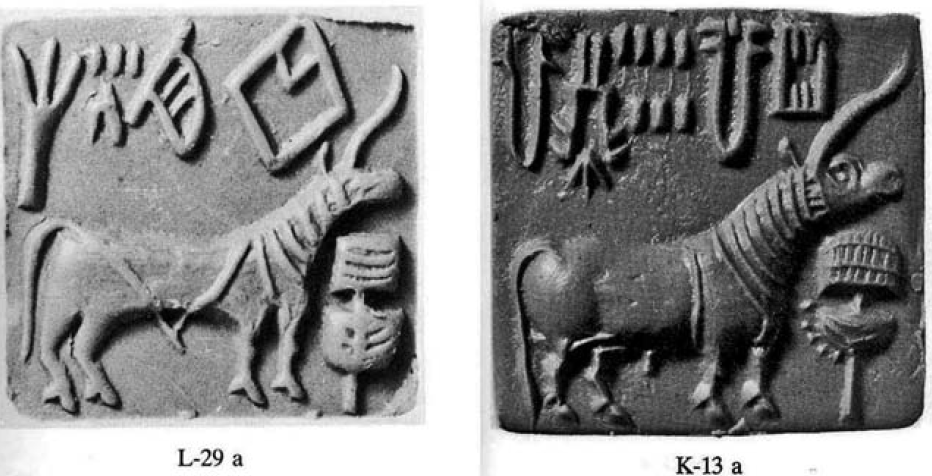
Image result for harappan rhino


Related image


Horse is useful animals to traders to move their goods from place to place apart from bullock cart. It is also surprising to note, the harappan seals normally do not depict dog, goat, sheep or hen (the usual domesticated animals). There is another important underlying factor that historians overlook intentionally. The seals are understood generally as identification plates while trading goods. But historians are treating these seals as a 'book of history'. They are expecting recording of every aspect of Harappan life in seals. In simple terms, it is like, looking for material on nuclear fusion in a commerce book. Why should all aspects be depicted in trade symbols? presence of some aspect (for example bull) emphasizes that Harappan people possibly used bulls for ferrying their goods. What one should conclude is that, presence of some aspect may emphasize a historical fact, But absence of some aspect may not necessarily mean anything or prove anything. For example, during bronze age, weapons are a major invention. They gave the real edge over beasts and helped to raise kingdoms. Metal weapon was a priced piece. They should have been the central piece of any art at that time, as it was causing sensationalism or raising imagination with ordinary people (who doesn't have them). But weapons are absent in the seals. Does that means Harappans did not have weapons? No one argues like that. In-fact, Copper/bronze Weapons were indeed found.
Image result for harappan d weapons

Harappan Weapons, National museum, New Delhi

Without weapons, providing protection against wild animals and to provide policing duties is nearly impossible. Without policing duties, it is impossible to build such large scale cities (otherwise, conflicts among citizens would have lead to crimes). So, it is foolish to argue Harappans did not use weapons, just because they are absent in seals. Some tablets in fact contain Indus weapons


Image result for harappan fighting scene
 Harappan using spear to slay an animal (possibly buffalo sacrifice)

Similarly No seal with soldiers or cart or toys or grannery or big bath etc were found. But they do exist (and are considered central to Harapan civilization). In most probable scenario, trading community is barred from using symbols of military or religion [Area belonging to priest (Brahmins) and kshatriayas (warriors)]. Probably stratification of society in to 4 varnas already exist during harappan time (as a template for division of Labor). If weapons are used, it will terrorize a trade rather than establish trust. Hence, in most likely scenario, military, religion etc were avoided in seal making (the items that can raise strong emotions). That could explain the reason for absence of weapons, soldier, gods (like mother god worship ),chariot or horse. The seals may symbolize a region or a town or a business family. It is natural to use animals for symbols (like in zodiac). Note that, Horse or dog is absent in zodiac symbols also. Bull (agriculture), lion(royalty), fish(fishermen) are the prominent animals all along history. Horse and Dog got prominence only after western domination.

Popular Harappan seals depict important big animals (like Bull, elephant, Rhino, Tiger & Antelope).

Related image


Although dog as a toy is found, it is not depicted on seals popularly. Dog, cat, pig, donkey, Monkey etc are considered as lower animals in  Indian culture even today.

Related image
Harappan Fish

Image result for harappan dog
Harappan Dog

Figurine of spotted dog Pakistan, Indus Valley, Chanhu-Daro, about 2600
Image result for harappan dog toy

Harappan Monkey
 Related image

Image result for figurines of indus valley

Harappan Ram

Image result for harappan dog
Harappan Pigs - Found at Rakhigari


Image result for harappan dog

Harappan Hen


Harappan workshops unearthed in NW India


Harappan workshops unearthed in NW India
 
A seal-cum-pendant, made out of steatite, found in the "key trench" at 4MSR. One one side are  engravings of figures of a dog, a mongoose and, perhaps, a goat. On the other are the figures  of a frog and a deer. The pendant belongs to the Early Harappan period (3000-2600 BCE).  The pendant, with a knob-like projection at the top, had a hole too for a cord to pass  through so that it could be worn around the neck [Source: Frontline [July 08, 2016]


So in most probability the unicorn is nothing but the ceremonial horse. Horse is not native to south Asian region. It might have been introduced by traders. But it is bread here for obvious reasons.
Related image

Decorated cow with a bowl. Just because a bowl is shown on the head of cow, it is not a mythical animal.

Related image

Decorated Bull with the bowl on its head. The bowl could mean, the animal is the bread basket for the society.

Western Indologist strategically oppose this. They try to depict unicorn as mythology. Apart from unicorn there is no other mythology detected. Very less is known about Harappan religion or belief.  Harappans seems to be very straight forward. The art is related to their surroundings like animals and flowers. There was no need for that civilization to invent mythology. So, it is wrong to depict unicorn as mythology. In Greek and Roman texts, unicorn is depicted as horse with a single horn. Note that it is depicted as horse and not a donkey with a single horn.


Image result for oldent unicorn painting

Western unicorn. Again, It is depicted as horse with a horn and not a donkey. 

So Greeks might have borrowed Harappan unicorn for their mythology. But Harappan unicorn clearly refers to a horse.


Related image
Harappan man with horse body (like a centaur or a man riding the horse)?

Image result for centaur paintings greek

Centaur of Greek paintings (Check the striking resemblance to Harappan Horse man.


Image result for harappan riders


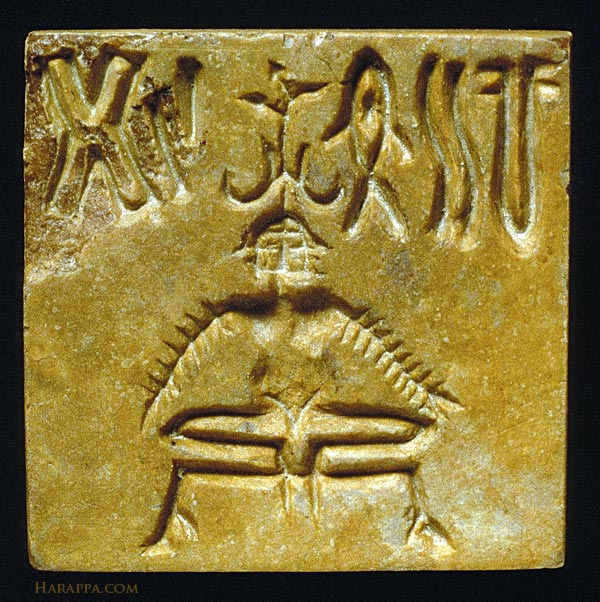
If we closely look at this Harappan seal, one can identify full human body standing in front of horse. Basically it is a superimposition of a man on horse. It actually depicts a horse rider. The elaborate head dress could mean, he is a leader or a king. The waving cloth from the head could also mean, it is a riding scene, as due to wind, the robe could be waving in the air. The overall radiating lines could also mean, the person is very important. The one with "energy", or "Power" or :"God like figure". Even today a "radiating sun" is shown on the back of the god or god-men, to show the enlightenment they bring.

Image result for hindu god with radiating sun on the back of their head

Image result for hindu gods with radiating sun on the back of their head
God, Radiating Energy

Image result for enlightened buddha
Enlightened Budha

Image result for enlightened buddha
Budha radiating energy.


Image result for harappan proto shiva  

The Same can be said about this yogic person. He may be 'Vajra Bahu", meaning person with enormous strength in hands.


Image result for harappan proto shiva

The head dress and the waving scarf can be seen for this king also.  Again look at the strength on his hands indicated by radiating energy.


Related image


Cave paintings older than Harappans depicting horse mounted men (Maharastra India).

Image result for harappan bowand arrow


Another cave painting depicting horse mounted men (Bhimbedka, Madhya pradesh).


Image result for chitradurga horse carving on rock

Cave paintings at anegundi, Karantaka - Horse back riders.


Image result for indus civilisation chariot

Harappan Horse (Note, it is without its horn) - New Delhi, National museum.

Image result for horse figure indus

Many harappan horses (disproving the scantly available horse propaganda).

This is a very important aspect, as missing horse is the last argument western historians are using to oppose merger of Harappan and Vedic civilisations. Although the Aryan migration theory is now busted, the Westerners are playing the horse myth to deny the pride that the harappan civilization deserves. If Harappan and Vedic are proven to be same, it implies Harappan were the sophisticated people in the world. It also implies the Indian race may be superior in traits (due to the kind of planned city of Harrappa and the complex literary work of Vedas. The deep intellectualism exhibited in these items is simply out of their time. This Hurts the egoistic minds of western pride (which is actually racism). So skillfully they bring the argument that unicorn is mythology.


Quote
http://archaeologyonline.net/artifacts/harappan-horse

A historical theory must account for all the evidence and not selectively accept and ignore data. Further, a man-made theory cannot substitute for primary data.

This is not the full story. Sir John Marshall, Director General of the Archaeological Survey when Harappa and Mohenjo-Daro were being excavated, recorded the presence of what he called the 'Mohenjo-daro horse'. Giving salient measurements, comparing it to other known specimens, he wrote: "It will be seen that there is a considerable degree of similarity between these various examples, and it is probable the Anau horse, the Mohenjo-daro horse, and the example of Equus caballus of the Zoological Survey of India, are all of the type of the 'Indian country bred', a small breed of horse, the Anau horse being slightly smaller than the others." ( Mohenjo-Daro and the Indus Civilization, volume II, page 654.) It is important to recognize that this is much stronger evidence than mere artifacts, which are artists' reproductions and not anatomical specimens that can be subjected to scientific examination.

Actually, the Harappans not only knew the horse, the whole issue of the 'Harappan horse' is irrelevant. In order to prove that the Vedas are of foreign origin, (and the horse came from Central Asia) one must produce positive evidence: it should be possible to show that the horse described in the Rigveda was brought from Central Asia. This is contradicted by the Rigveda itself. In verse I.162.18, the Rigveda describes the horse as having 34 ribs (17 pairs), while the Central Asian horse has 18 pairs (36) of ribs. We find a similar description in the Yajurveda also.

This means that the horse described in the Vedas is the native Indian breed (with 34 ribs) and not the Central Asian variety. Fossil remains of Equus Sivalensis (the 'Siwalik horse') show that the 34-ribbed horse has been known in India going back tens of thousands of years. This makes the whole argument based on "No horse at Harappa" irrelevant. The Vedic horse is a native Indian breed and not the Central Asian horse. As a result, far from supporting any Aryan invasion, the horse evidence furnishes one of its strongest refutations.


Another important aspect of Harappan is missing written literature apart from the scripts in seals. The seals were skillfully carved on soap stone. This is artistic work. As traders needed production of repeated printing, they might have payed the price to prepare the seals. Seals were costly and were a symbol of richness. It was worn like a necklace around the neck. So how did normal Harappans wrote and why they are not visible today?

Analysis of thread that held the Harappan beads prove that, the thread material is either gold, silver, cotton or silk. Yes, silk and cotton were widely in use. The "priest king" statue clearly establishes that, Harappans used "died" fabric. The patterns on the priest king fabric proves that. If Harappans had fabric and they knew dieing and printing on fabric, why will they not use the material to write? It is easier to write on a piece of cloth than writing on stone. That is the point, unlike Sumerian (who used hide or imported clothing from India), Harappans had plenty of cheap clothing at their disposal. They probably wrote everything on cloth (be it cotton or silk). Considering the perishable nature, these fabrics do not exist today to prove this point. 

Tuesday, 27 December 2016

Vasco da Gama

Everybody knows Portuguese traveller vasco da Gama discovered India for Europeans. This "lie" is repeatedly told by Britishers and we Indians believe these things without questioning. If it is a "Lie", then what is the truth?

Europeans were not that great sea farers. It is documented that, Vascoda Gama was only sailing close to land mass for fear of getting lost in sea. He encountered a Gujarati bussinessman. Indian ships were much bigger and better. Indian ships escorted Vasco da Gama to India. This is written in vascoda ga ma's diary itself.  Please check wiki about vasco da gamas page, how he is celebrated world over in introduction but read below passages to find the truth. For example, read the encounter with kerala king (how pathetic it was) and how vasco da ga ma kidnapped some kerala  fisherman to take him back safely to africa (shows his sea faring bravery).

https://en.m.wikipedia.org/wiki/Vasco_da_Gama

"While Zamorin's officials wondered at why there was no gold or silver, the Muslim merchants who considered da Gama their rival suggested that the latter was only an ordinary pirate and not a royal ambassador.[17] Vasco da Gama's request for permission to leave a factor behind him in charge of the merchandise he could not sell was turned down by the King, who insisted that da Gama pay customs duty—preferably in gold—like any other trader, which strained the relation between the two. Annoyed by this, da Gama carried a few Nairs and sixteen fishermen (mukkuva) off with him by force"

Although many european authors have written books quoting vasco da gamas diary, the original diary is not made public even today. Instead of the original, a strange, undated "copy" was flouted. This undated, spurious and filtered copy is the basis for all history Europeans have flouted. Indian govt should evaluate this copy and announce truth. If they put some effort, they may even be able to trace an exact copy of the original in Africa and with date. Such written documents were quickly copied and treasured, as it was very helpful for sea faring Europeans. ( Afterall, Why hush up such an important document???)

Vasco da gamas writings were simply hushed up by british to build a story to subjugate Indians. So, it is Indians, who discovered Europe and not the other way round.

Do we have solid evidence to claim this? Answer is "Yes", we have evidence. Indians documented important things on stone, especially on temples. Brahmins werr the writers and owing to tradition, they never crossed sea. Hence not much us written in Indian texts about sea voyages. Vysyas used to do that. However, important things was indeed recorded on temple walls. It is unfortunate, the Muslim invasion destroyed lot of these temples in north India. Lot of historical evidences and facts got lost with the destruction of these temples. This helped Europeans to propagate skewed history to world.

However everything was not lost. Check the video link ( https://youtu.be/lvGEyCXvV7A ) to see, how the European connection was documented in Bruhadeeshwara temple in Tamilnaadu. Since the sclupture is 500 years older than vascoda gaama, it establishes the fact that, Indians had been to Europe 500 years before Vascoda Gama. That is most probably by sea as they carried goods to sell it, in far off lands. Fortunately, Chinese emperor was also there, so people will not brush off European as an abbaration. In fact there are archaeological evidences like Indian pottery, jewellary, copper plates, sanskrit hymns etc obtained in far off lands (like Australia) that can be reached only by sea route, confirming existance of trade routes.

Since custom duty was an established process, it indicates lot of foreign ships already visited India. It even indicates, trading with foreigners was a well established practice with Indians. Vasco da Gama visiting India was not a strange event to Indians at that time itself. What vasco da gama offered to kerala king, depicts the "begging bowl" with which they came here.

So, stop preaching your kids, Europeans discovered India. It generates inferiority complex. Instead tell them, how bravely Indians ventured in to sea and sold goods. It shows how our elders and society was ready to take risks and were creating wealth. It inculcates, entrepreneurship and build confidence.

Tuesday, 20 December 2016

Indian Migration Vs Aryan Migration to India

Western scholars came with the theory that "Aryans' came from middle east to India. They even say, the Indus valley people who were natives of India were driven south. There are no archaeological or literary "proof" for this theory. It was coined to divide "fair"skin Punjabi kind of population with "dark" skinned Tamil kind if population. Brahmins in south were depicted as "Aaryan " migrants from north. This is again to stroke anger with local population and set them against Brahmins. Britishers knew strength of India was based on its traditional knowledge protected by Brahmin community. British wanted to dislodge this base, so they can convert locals in to Christianity easily. It did not work to their expectations. Brahmin community should realise these historical facts.

On the contrary to Aaryan migration, there are counter proofs that exists to substantiate Indians actually migrated to other parts to spread the advancement happened in India. This is evident in Buddhism spread to east.

There is another strange link that emerged due to plight of yazdis in Syria. Some one has made a video collaborating the similarities to Tamil culture

https://www.youtube.com/watch?v=cX-g587ral0

The peacock (that never lived in middle east) , the snake to the "Leaf Torana" tied to the arch way at the yezdi temple door in Iraq, unmistakably indicates something.


Idea of Temple - Modhera and Somnath Temples

Sun temple at Modhera. Built in 1026 by King Bhima of Solanki dynasty. The temple demonstrates the scientific knowledge of India a 1000 years ago. Tropic of Cancer passes through the temple and on equinox days the rays of the rising sun converge on a diamond studded crown on idol of Lord Surya illuminating the entire temple. The temple was looted and destroyed by the Mughals and the golden idol and the crown was  stolen. There is a nice pond with 108 mini temples

It is believed that, "Somnath" temple was constructed, at somnath, as it was a culmination point of river (suspected to be saraswati), land, sun, sky, air and sea. Sun represented "fire". As vedic people were spread out at this west point of India (due to saraswati river), they could see setting sun and not rising sun. Hence the name "Somnath". Lord of moon. It is believed that, a powerfull magnetic stone (possibly from a meteorite) was levitated here. This was done to concentrate and aquire celestial power. This is probably the beginning of temple idea for vedic people, who till then were worshipping 5 natural forces through fire rituals in open. The levitating stone  gave birth to shivalingam concept. Shivalingam is normally done in granite, which is formed from meteorite or from volcanic erruption. Somnath even today is part of dwadasha "jyotirlingas". It is jyotirlinga, because it was expected to capture celestial power of God (that is the meaning of jyoti in jyotirlibga) and radiate it back to humans. Constructing "gopurams" and small garbha gruhas is again meant to arrest energy in the small room. Tall and heavy gopuram was to arrest radiation from going back to sky (as gods may be eager to get it back ;-) ). The practice of "Aarati" is the symbolic optics of conveying this process of bringing this cellestial energy to humans from idol (God). Doing abhishekam is again meant to cool the stone, as stone may get heated by heavy concentration of power. Giving this abhishekam water as theertham is again meant to distribute this celestial power. Hence Aarati and theertha distribution has an intended meaning.

The fame of somnath, slowly enabled accumulation of large wealth. The power of temple and wealth attracted Muslim invaders to India. It is believed that, the somnath temple loot and levitating stone was taken over to Afghanistan by Gazni. Although temple couldnot be saved, some of the wealth was saved. Modhera temple was believed to be built using the saved wealth from somnath. Year of constructing Modhera temple is very close to the year Gazni looted somnath. It is difficult to accumulate so much wealth immediately after such a devastating loot and invasion.  To avoid getting attension on Shiva, the temple was built as a sun temple. But concept of constructing temple on equinox, dimond crown to catch sun rays and reflecting it within temple complex etc, all were ideas to capture celestial power and distributing that power to rulers (rulers were expected to attend this early morning prayers) and public. The dimond of kanyakumari (which was famed as giving light like light house to sailing ships), or sun rays falling on shivalingam at our own Bangalore gavigandhareshwara etc, is meant to show the same idea.

Aruna Prashna, Sandhya Vandhane, Surya Namaskara, Teerta yatra rituals are formulated with the same idea. Try to absorb natural forces to increase ones own power. As sun is the root cause of energy for all acting forces on earth, it is identified as "the force" for life. It was natural for Indian monks (who were scientists) to seek and amplify this energy to elevate humanity.

Kings used to make important decission in such temples. Temple was the judgement seat. People doing important events like marriages in teerthakshetra (place close to temple) is also because of this reason. Visiting temple daily was inculcated as a practice rather than praying in-house, because in-house God may not be aligned properly to attract and retain celestial powers. Temples on top of hills (closer to sky, so more energy obsorption), idols facing east (to catch rays from raising sun) are the backround reasons in temple architecture. The science behind practices were not explained, as common public held on to rituals blindly than making an attempt to know the real truth behind such a practice. It is advisable to donate generously in the reconstruction of olden temples to revive them rather than constructing fancy concrete temples. Concrete temples constructed in fashion may not serve anything but raise and divert public funds.


Additional material:-
1) Ankor wat temple links with spring equinox to make sun shine through the gopuram to a secreat chamber (https://youtu.be/1Mf42E6YCy0)
2) Mahabalipuram lingam and kalasham made with black basalt stone compared to the all other stone of temple (4:55mins of the video)  https://youtu.be/zvN8FVg7ZYw
3) The molten rocks that come out in the form of lava, upon cooling takes shape of igneous rocks. Two of the most famous igneous rocks, basalt and granite have similarities causing confusion among people. However, there are many differences between basalt and granite. Of the two, basalt is darker and consists of fine grained minerals such as magnesium and iron. Basalt rocks are also called mafic rocks just because of this property. Those who know the symbols of magnesium (Mg) and iron (Fe) will easily understand the logic behind the word mafic rocks. Granite, on the other hand, is lighter in complexion and has a coarse grained texture. These rocks are found at depth and are seen only when deep erosion takes place. Granite has a different composition as it is mostly made up of feldspar and quartz, and hence, the name felsic rock. Among other differences, the nature of these rocks reveals that basalt is basic in nature, whereas granite is acidic in nature. Basalt is formed when magma cools and solidifies on the surface of the earth. It is mainly found on the floor of the ocean as magma solidifies quickly coming in contact with cool ocean water. On the other hand, granite is found above ocean and makes up much of continental crust. Basalt is an extrusive igneous rock, whereas granite is an intrusive ingenuous rock. Those who do not know, extrusive rocks are those formed of lava coming out of volcanoes, whereas rocks formed of magma that has yet not come out of the volcano are termed as intrusive rocks. Cooling of intrusive rocks takes much longer than extrusive rocks as they are under the surface of earth. One other difference pertains to the way these two types of rocks split when put under pressure. While basalt rocks split along columnar planes, granite rocks give way along horizontal planes. Obviously this difference exists because of differences in the way the two types of rocks cool down.


The story of Konark Temple

https://www.myindiamyglory.com/2018/01/03/konark-sun-temple-magnetic-vigraha-destruction-kalapahad-islamic-convert/

An engineering splendor along the banks of river Chandrabhaga (now dry) and facing the endless Bay of Bengal within few metres (the sea has receded few KMs now) the Sun Temple of Konark was constructed during the reign of Narshingdeva 1 from Eastern Ganga dynasty in the 13th century AD. The chief architect Bishu Maharana was an outstanding engineer who meticulously designed this extraordinary structure.

The reason for the choice was not only for its colossal structure but also that the Sanctum Vimana had a noteworthy design of a levitating or suspending magnetic Vigraha/Statue involving graphite slabs (diamagnet), metals & magnets!!

The 12 years of relentless hard work to construct the Sun temple involved 12000 artisans, cutting and carving stones, building “Sand scaffolding” like the expert Egyptians, carefully positioning iron and magnets in between layers of stones, etc. Various construction materials and special stones were ferried from distant locations on ship and boat using the sea and river route.

A complex positioning of diamagnetic substance (which repel magnetic field) in the Sanctum and placing a 52 ton loadstone as a “lifter magnet” to suspend the magnetic statue of Sun God was the biggest challenge for Bishu Maharana. The main magnetic Vigraha or statue had to be suspended mid air under the influence of a strong diamagnetic elevation with graphite slabs at the top and the bottom, while a large loadstone (magnet) with a funnel carved out from inside was placed at the top to act as a lifter for the magnetic Sun God!! The experts struggled for long, a little too long to balance the Vigraha “without a tilt in midair” until Bishu’s twelve year old son Dharmapada came with a solution.

Dharamapada grew up playing with Bishu Maharana’s large magnet collection back home since his childhood. He exactly knew how to float a magnet in between two diamagnetic graphite blocks using a magnetic lifter. It must not be too close either to the top or the base. He knew the exact calculation, more than this was the choice of diamagnetic material. It must be a pyrolytic graphite or Bismuth. He practised it many times perfectly to surprise his young friends at home. Dharmapada heard about the difficulty his father was facing at Konark and rushed to the site of the Sun temple. His advice was executed flawlessly by sandwiching the graphite blocks with Capula (Bismuth) and by adjusting their position in a few hours and the magnetic Sun God was suspending impeccably at a balance in mid air without a slight tilt!!! All ended well

Thus the Sun God was suspending in mid air and the Sun rays at various time of the day was creating a dazzling display of light in the Sanctum!! Imagine this breathtaking spectacle!! It was a sheer masterpiece and people from all over the country visited to pray at Konark. The Sun temple of Konark was one of the most revered deities of the eastern empire and was continuously worshiped for the next three centuries until Kalapahad stepped into Konark temple!!!!


Story of Somnath at Mangalore

ಮಂಗಳೂರಿನ ಸುಮಾರು ೧೨ ಕಿಲೋಮೀಟರು ದೂರ ದಕ್ಷಿಣಕ್ಕೆ, ಸಮುದ್ರಕ್ಕೆ ಸಮೀಪ, ಶಿಲಾಮಯವಾದ ಚಿಕ್ಕ ಗುಡ್ಡದ ಮೇಲೆ ಸೋಮನಾಥೇಶ್ವರ ದೇವಾಲಯವಿದೆ. ಈ ದೇವಾಲಯದಿಂದಾಗಿ ಈ ಪ್ರದೇಶಕ್ಕೆ ಸೋಮೇಶ್ವರ ಎಂಬ ಹೆಸರು ಬಂದಿದೆ. ಸೋಮೇಶ್ವರವು ಹಿಂದೆ ಉಳ್ಳಾಲ ಮಾಗಣೆಗೆ ಸೇರಿದ್ದು, ಸೋಮನಾಥ ದೇವಸ್ಥಾನವು ಸೀಮೆಯ ಪ್ರಧಾನ ದೇವಸ್ಥಾನವಾಗಿತ್ತಿತ್ತು. ಸೋಮನಾಥ ಉಳ್ಳಾಲದ ಚೌಟ ಅರಸರ ಆರಧ್ಯದೇವನಾಗಿದ್ದ. ಉಳ್ಳಾಲದ ಅಬ್ಬಕ್ಕ ರಾಣಿಯು ಕಾಣಿಕೆಯಾಗಿ ನೀಡಿದ್ದ ಬೆಳ್ಳಿಯ ಜಲದ್ರೋಣಿಯು ಈಗಲೂ ದೇವಸ್ಥಾನದಲ್ಲಿದೆ. ಈ ಕಾಲದಲ್ಲಿ ಸೀಮೆಗೆ ಸಂಬಂಧಪಟ್ಟ ನ್ಯಾಯತೀರ್ಮಾನಗಳು ಸೋಮನಾಥನ ಸನ್ನಿಧಿಯಲ್ಲಿ ನಡೆಯುತ್ತಿದ್ದುದಾಗಿ ಇದೆ.
ಚೌಟ ರಾಜರ ಒಂದು ಶಾಖೆ ಮೂಡಬಿದಿರೆಯಲ್ಲಿ ನೆಲೆಸಿ ಅರಸೊತ್ತಿಗೆ ನಡೆಸುವ ವೇಳೆ ಸೋಮೇಶ್ವರ ದೇವಸ್ಥಾನದಿಂದ ಮೂಡಬಿದಿರೆಗೆ ದೇವರ ಪ್ರಸಾದವನ್ನು ಕುದುರೆ ಸವಾರರ ಮೂಲಕ ಒಯ್ಯಲಾಗುತ್ತಿತ್ತಂತೆ. ಇದು ಪ್ರಯಾಸದ ವಿಚಾರವಾದುದರಿಂದ ಮೂಡಬಿದಿರೆಯಲ್ಲಿ ಪ್ರತ್ಯೇಕ ಸೋಮನಾಥ ದೇವಸ್ಥಾನ ನಿರ್ಮಾಣವಾಯಿತೆಂದು ಪ್ರತೀತಿ.
ಚೌಟರಿಗಿಂತ ಮೊದಲು ದೀರ್ಘ ಕಾಲಾವಧಿಯಲ್ಲಿ (ಕ್ರಿ.ಶ. 567-1325) ತುಳುನಾಡು ಆಲೂಪ ವಂಶದ ಅರಸರ ಅಂಕೆಯಲ್ಲಿತ್ತು. ಅಲೂಪ ವಂಶದ ಕುಲಶೇಖರನು ಸೋಮನಾಥ ದೇವಸ್ಥಾನವನ್ನು ಕಟ್ಟಿಸಿದುದಾಗಿ ಒಂದು ಹೇಳಿಕೆಯಿದೆ. ಆದರೆ ಅದಕ್ಕೂ ಹಿಂದೆ ಎಂದರೆ ಕ್ರಿ.ಶ. ೬ನೆಯ ಶತಮಾನದವರೆಗೆ ಬನವಾಸಿಯಲ್ಲಿ ಆಳುತ್ತಿದ್ದ ಕದಂಬರಾಜರ ವಶದಲ್ಲಿ ತುಳುನಾಡು ಇದ್ದಾಗಲೇ ಈ ದೇವಸ್ಥಾನವು ಅಸ್ತಿತ್ವಲ್ಲಿ ಇದ್ದಿರಬಹುದು ಎನ್ನಬಹುದು. ಕದಂಬರು ಮಹಾಸೇನ ಕುಮಾರಸ್ವಾಮಿಯ ಹಾಗೂ ಸಪ್ತಮಾತೃಕೆಯರ ಆರಾಧಕರಾಗಿದ್ದರು. ಈ ದೇವಸ್ಥಾನದ ಅಂಬಲದ ನೈಋತ್ಯ ಭಾಗದಲ್ಲಿ ಸಾಕಷ್ಟು ದೊಡ್ಡ ಗಾತ್ರದ ಪ್ರಾಚೀನ ಸಪ್ತಮಾತೃಕಾ ಶಿಲಾಮೂರ್ತಿಗಳಿರುವುದರಿಂದ ಈ ದೇವಸ್ಥಾನ ಕದಂಬರ ಕಾಲದಲ್ಲೆ ಕಟ್ಟಲ್ಪಟ್ಟದೆಂದು ಊಹಿಸಲೆಡೆಯಿದೆ.
ಅನೇಕ ಶಿವಾಲಯಗಳನ್ನು ಖುರಾಸುರ ಪ್ರತಿಷ್ಠೆ ಎಂದು ಹೇಳುವಂತೆಯೇ ಈ ಸೋಮನಾಥ ದೇವಾಲಯವನ್ನು ಖುರಾಸುರ ಪ್ರತಿಷ್ಠಿತ ಎಂದು ವಾಡಿಕೆಯಿಂದ ಹೇಳುತ್ತಾರೆ. ದೇವಾಲಯದ ಉತ್ತರದಲ್ಲಿರುವ ವಿಶಾಲವಾದ ಕೆರೆಯನ್ನು ಗದಾತೀರ್ಥ ಎನ್ನುತ್ತಾರೆ. ಸ್ಥಳಪುರಾಣದ ಹೇಳಿಕೆಯಂತೆ ಭೀಮಸೇನನು ತನ್ನ ಗದಾದಂಡವನ್ನೂರಿ ಈ ತೀರ್ಥ ಸರೋವರವನ್ನು ನಿರ್ಮಿಸಿದನಂತೆ. ದೇವಸ್ಥಾನಗಳ ಚರಿತ್ರೆಯನ್ನು ಪುರಾಣಗಳೊಂದಿಗೆ ಜೋಡಿಸುವ ಪ್ರವೃತ್ತಿಯು ಸಾಮಾನ್ಯವಾದುದಷ್ಟೇ.
ದೇವಸ್ಥಾನದ ಪಡುವಣದಲ್ಲಿ ಸಮುದ್ರಕ್ಕೆ ಚಾಚಿಕೊಂಡಿರುವ ಹೆಬ್ಬಂಡೆಯನ್ನು “ರುದ್ರ ಪಾದೆ” (ಪಾದೆ= ಬಂಡೆ) ಎಂದು ಕರೆಯುತ್ತಾರೆ. ಇದರ ಮೇಲೆ ರುದ್ರ ಪಾದದ ಗುರುತು ಇರುವುದಾಗಿ ಪ್ರತೀತಿ ಹಾಗಾಗಿ ಸ್ಕಾಂದ ಪುರಾಣದಲ್ಲಿ ಈ ಕ್ಷೇತ್ರವನ್ನು ರುದ್ರಪಾದಕ್ಷೇತ್ರವೆಂದು ಕರೆಯಲಾಗಿದೆ. ಈ ಬಂಡೆಯ ದಕ್ಷಿಣದ ಪ್ರಶಸ್ತ್ಯವಾದ ಜಾಗದಲ್ಲಿ ಆಷಾಢ ಮತ್ತು ಶ್ರಾವಣ ಅಮಾವಾಸ್ಯಗಳಲ್ಲಿ ಸಾವಿರಾರು ಮಂದಿ ಯಾತ್ರಿಕರು ತೀರ್ಥಸ್ನಾನ ಮಾಡುತ್ತಾರೆ, ಸಮುದ್ರದ ಬಳಿಕ ಗದಾತೀರ್ಥದಲ್ಲಿ ಮಿಂದು ದೇವಾಲಯಕ್ಕೆ ತೆರಳುತ್ತಾರೆ.
ಪಿತೃತರ್ಪಣ, ತಿಲಹೋಮಾದಿ ಕ್ರಿಯೆಗಳಿಗೂ ಈ ಕ್ಷೇತ್ರ ಪ್ರಸಿದ್ಧವಾಗಿದೆ. ಒಂದು ಐತಿಹ್ಯದಂತೆ, ಹಿಂದೆ ಗುರ್ಜರ(ಗುಜರಾತ್) ದೇಶವನ್ನಾಳುತ್ತಿದ್ದ ವೀರಬಾಹು ಎಂಬ ರಾಜನು ತನ್ನ ಮಗಳ ವಸ್ತ್ರವನ್ನು ಮುಟ್ಟಿದ ತಪ್ಪಿಗಾಗಿ ತನ್ನ ಕೈಗಳನ್ನು ಕತ್ತರಿಸಿಕೊಂಡು, ಬಂಗಾರದ ಕೃತಕ ಕೈಗಳನ್ನು ಹೊಂದಿ ಕನಕಬಾಹು ಎಂಬ ಹೆಸರನ್ನು ಪಡೆದಿದ್ದನಂತೆ. ಕ್ಷೇತ್ರ ಸಂದರ್ಶನಾರ್ಥ ಹಡಗನ್ನೇರಿ ಹೊರಟು, ಬಿರುಗಾಳಿಗೆ ಸಿಕ್ಕ ಹಡಗೊಡೆದು ಹಲಗೆಯೊಂದರ ಆಧಾರದಿಂದ ಸೋಮೇಶ್ವರದ ರುದ್ರಪಾದದ ಶಿಲೆಯ ಬಳಿ ಕೆರೆಗೆ ಬಂದು ಬಿದ್ದನಂತೆ. ರುದ್ರಪಾದದ ಬಳಿ ಹಸು ಮತ್ತು ಹುಲಿ ಆಟವಾಡುತ್ತಿದ್ದುದನ್ನು ಕಂಡು, ಇದು ಕಾರಣಿಕ ಸ್ಥಳವೆಂದು ತಿಳಿದು ಶೋಧಿಸಿದಾಗ, ಪೊದರುಗಳ ಎಡೆಯಲ್ಲಿ ಶಿವಲಿಂಗ ಕಾಣಿಸಿತಂತೆ. ಊರವವರ ನೆರವಿನಿಂದ ಅದಕ್ಕೊಂದು ಗುಡಿ ಕಟ್ಟಿಸಲು, ಚಿನ್ನದ ಕೈಗಳ ಬದಲಾಗಿ ನಿಜವಾದ ಕೈಗಳೇ ಆತನಿಗೆ ಮೂಡಿದುವಂತೆ. (ಈ ಬಗೆಯ ಆಶಯವುಳ್ಳ ಐತಿಹ್ಯಗಳು ಅನ್ಯತ್ರವೂ ಲಭಿಸುತ್ತವೆ.)
ಈ ದೇವಾಲಯದ ಮೂಲಸ್ಥಾನ ದೇವರು ಲಿಂಗರೂಪೀ ಸೋಮನಾಥನಾಗಿದ್ದು, ಹೊರಗಣ ಅಂಗಣದಲ್ಲಿ ಮೂರು ಉಪಸ್ಥಾನ ದೇವತೆಗಳ ಗುಡಿಗಳಿವೆ. ನೈಋತ್ಯದಲ್ಲಿ ಸಿದ್ಧಿವಿನಾಯಕ ಗುಡಿಯೂ, ವಾಯುವ್ಯದಲ್ಲಿ ಪಾರ್ಥಸಾರಧಿ ಗುಡಿಯೂ, ಉತ್ತರದಲ್ಲಿ ಜನಾರ್ದನ ಗುಡಿಯೂ ಇದೆ. ಇವುಗಳಲ್ಲಿ ಗಣೇಶನ ಗುಡಿಯು ಅಪೂರ್ವ ಶಿಲ್ಪಕಲೆಯ ಬೆಡಗನ್ನು ಬಿಂಬಿಸುವ ಅತ್ಯಂತ ಸುಂದರವಾದ ಪ್ರಾಚೀನ ಶಿಲಾಮಯ ರಚನೆ.
ವಾಯುವ್ಯದಲ್ಲಿ ಗಾಳಿಗೋಪುರವೆಂದು ಕರೆಯಲ್ಪಡುವ ಪಶ್ಚಿಮ ಗೋಪುರವಿದೆ. ಬಡಗು ಬದಿಯಲ್ಲಿ ಗದಾತೀರ್ಥಕ್ಕೆ ಇಳಿಯುವ ಮೆಟ್ಟಲಿನ ಬದಿಯಲ್ಲಿ ರಕ್ತೇಶ್ವರಿ ಸನ್ನಿಧಿಯಿದೆ (ಈಗ ನಾಗ ಬನದಲ್ಲಿದೆ). ದೇವಸ್ಥಾನದ ಹೊರ ಅಂಗಣದ ಗೋಪುರದ ತೆಂಕು ದಿಕ್ಕಿನಲ್ಲಿ ವೀರಗಲ್ಲು ಮತ್ತು ಮಾಸ್ತಿಗಲ್ಲುಗಳ ಜೊತೆಯೊಂದನ್ನು ನೋಡಬಹುದು.
ದೇವಾಲಯದ ಆಗ್ನೇಯ ದಿಕ್ಕಿನಲ್ಲಿ ನಾಗಬನವಿದೆ. ನಾಗನ ಹೆಡೆಯಂತೆ ಕಾಣುವ ವಿಸರ್ಗ ಸಹಜವಾದ ಹಿರಿಯ ಬಂಡೆಯೇ ಉದ್ಭವನಾಗಶಿಲೆಯಾಗಿ ಪೂಜಿಸಲ್ಪಡುತ್ತದೆ. ಈ ನಾಗಬನದ ಹಿಂಬದಿಯಲ್ಲಿ ಹಿಂದೆ ಹೂವಿನ ಕೊಪ್ಪಳವಿದ್ದು, ದೇವರ ಪೂಜೆಗೆ ಬೇಕಾದ ಹೂಗಳನ್ನು ಅಲ್ಲಿಂದ ತರುತ್ತಿದ್ದರು. ಸಮೀಪವೇ ಒಂದು ಸುಸಜ್ಜಿತವಾದ ಕೊಳವಿದ್ದು ಅದರಲ್ಲಿ ಹಿಂದೆ ರಾಣೀವಾಸದವರು ಸ್ನಾನ ಮಾಡುತ್ತಿದ್ದರಂತೆ. ಇದರ ಬಳಿಯೇ ಚೌಟರಾಜರ ಸ್ಥಳೀಯ ಅರಮನೆಯೊಂದು ಇತ್ತೆಂದು ತಿಳಿದು ಬರುತ್ತದೆ. ಈ ದೇವಾಲಯ ಸ್ಥಳವು ಪುರಾತನ ಕೋಟೆಯಿಂದ ಆವರಿಸಲ್ಪಟ್ಟಿದೆ. ದೇವಸ್ಥಾನದ ಬಡಭಾಗದಲ್ಲಿ ಕೆಳಗಡೆ ಕಲ್ಲುರ್ಟಿ, ಕುಟ್ಟಿಚಾತು, ಗುಳಿಗ, ಎಂಬ ದೈವಗಳ ಗುಡಿಯೊಂದಿದೆ.
ದೇವಸ್ಥಾನದ ಮೂಡದಿಕ್ಕಿನ ಗೋಪುರ ದ್ವಾರದ ದೀರ್ಘಸೋಪಾನ ಪಂಕ್ತಿ ಮುಗಿದೊಡನೆ ಕೆಳಗೆ ಸೋಮನಾಥ ದೇವರಿಗೆ ಅಭಿಮುಖವಾಗಿ ಪಂಚದುರ್ಗಾ ಗುಡಿ ಇದೆ. ಪಂಚದುರ್ಗೆಯರ ಹೆಸರು, ಮೂಲದುರ್ಗಾ, ಜಲದುರ್ಗಾ,ಅಗ್ನಿದುರ್ಗಾ, ವನದುರ್ಗಾ ಮತ್ತು ಅಗ್ರದುರ್ಗಾ ಎಂದು ಹೇಳಲಾಗಿದೆ. ಈ ದೇವಸ್ಥಾನದಿಂದ ಸುಮಾರು ಒಂದು ಕಿಲೋಮೀಟರ್ ಪೂರ್ವಕ್ಕಿರುವ ಅಡ್ಕ ಭಗವತೀ ಕ್ಷೇತ್ರದಲ್ಲಿ ಆರಾಧನೆಗೊಳ್ಳುವ ಹದಿನಾಲ್ಕು ದೈವಶಕ್ತಿಗಳಲ್ಲಿ ಪಂಚಭಗವತೀ ಅಂಶಗಳೇ ಇಲ್ಲಿ ಪಂಚದುರ್ಗೆಯರೆಂದು ನಿತ್ಯಪೂಜೆಯನ್ನು ಕೈಗೊಳ್ಳುತ್ತಿರುವುದಾಗಿ ಪ್ರತೀತಿ. ಇಲ್ಲಿ ಪಂಚದುರ್ಗೆಯರಿಗೆ ಲಿಂಗರೂಪದಲ್ಲಿ ಆರಾಧನೆ ಸಲ್ಲುತ್ತದೆ.
ಸೋಮನಾಥ ಕ್ಷೇತ್ರದಲ್ಲಿ ವರ್ಷಂಪ್ರತಿ ಮೀನ ಮಾಸದ ಹುಣ್ಣಿಮೆಯ ಚತುರ್ದಶಿಗೆ ಧ್ವಜಾರೋಹಣವಾಗಿ ಐದು ದಿನಗಳ ಉತ್ಸವ ವೈಭವದಿಂದ ನಡೆಯುತ್ತದೆ. ಆ ರಾತ್ರಿ ಅಡ್ಕ ಭಗವತೀ ಕ್ಷೇತ್ರದಿಂದ ಭಗವತಿಗಳೂ ಪರಿವಾರದೈವಗಳೂ ದರ್ಶನರೂಪದಿಂದ ಸರ್ವ ಬಿರುದಾವಳಿಗಳಿಂದ ಕೂಡಿ ವಿಜೃಂಭಣೆಯಿಂದ ಆಗಮಿಸಿ ದೇವರ ಭೇಟಿ ನಡೆಸುವ ದರ್ಶನೀಯವಾಗಿದೆ. ಹಿಂದೆ ಮಲೆಯಾಳಕೋಡಿ ದೈವಸ್ಥಾನದಿಂದ ಮಲೆಯಾಳ ಚಾಮುಂಡಿ, ಬಂಟದೈವಗಳೂ ಹೀಗೆಯೇ ಬರುವ ರೂಢಿ ಇತ್ತು.ಪುರಾತನ ಕಾಲದಲ್ಲಿ ಉದ್ಯಾವರ ’ಮಾಡದ’ ಅರಸುದೈವಗಳು ಬಂದು ಭೇಟಿಮಾಡುವ ಕ್ರಮವೂ ಇತ್ತಂತೆ. ಆದರೆ ಅಂಗಣದಲ್ಲಿ ಸ್ಥಳಾಭಾವದಿಂದಾಗಿ, ಅಡ್ಕದ ಭಗವತಿಗಳನ್ನುಳಿದು ಉಳಿದ ದೈವಗಳ ಭೇಟಿಯನ್ನು ವಾಯುಮಾರ್ಗದಲ್ಲಿ ಮಾಡುವೆನೆಂದು ದೇವರು ಅಪ್ಪಣೆ ಕೊಡಿಸಿದರಂತೆ
ಆರಾಟದಂದು ಮಾಗಣೆಯವರೊಳಗಿನ ಜಿಗುಟಾದ ’ನ್ಯಾಯ’ಗಳನ್ನು ಹಿಂದೆ ಭಗವತಿಗಳೇ ಇತ್ಯರ್ಥ ಮಾಡುತ್ತಿದ್ದುದುಂಟು. ವಿವಿಧ ರೀತಿಯ ನೃತ್ಯ ಪ್ರದಕ್ಷಿಣಾದಿ ಪ್ರೇಕ್ಷಣೀಯ ಕಾರ್ಯಕಲಾಪಗಳು ಜರುಗಿದ ಬಳಿಕ ದೇವರು ಭಗವತಿಗಳೊಂದಿಗೆ ಕೆಳಗಿಳಿದು ಗದಾತೀರ್ಥದ ಬಳಿ ರಥೋತ್ಸವಕ್ಕೆ ಸಜ್ಜಾಗುತ್ತಿದ್ದುದು ವಾಡಿಕೆ. (ಸುಂದರ ದಾರುಶಿಲ್ಪಮಯವಾಗಿದ್ದ ಬೃಹತ್ ಬ್ರಹ್ಮರಥ ಶಿಥಿಲ ಚೂರ್ಣವಾಗಿ ಕೆಲವು ವರ್ಷಗಳಾದವು. ನೂತನ ರಥ ನಿರ್ಮಣ ಆರಂಭ ಗೊಂಡಿದೆ). ಆರಾಟ ಮಂಗಳ ಸ್ನಾನಕ್ಕೆ ದೇವರು ಒಂಬತ್ತು ಕೆರೆ ಎಂಬಲ್ಲಿಗೆ ತೆರಳುವಾಗ ಜೊತೆಗೆ ಭಗವತಿಗಳೂ ಸಹ ಪ್ರಯಾಣ ಮಾಡುವ ಸಂಪ್ರದಾಯ ಇದೆ. ಒಂಬತ್ತುಕೆರೆ ಪ್ರದೇಶದಲ್ಲಿ ನೀರಿನ ಊಟೆ ಎಂದೂ ಬತ್ತುವುದಿಲ್ಲ ಎಂದು ಪ್ರತೀತಿ.
ಇದಲ್ಲದೆ ಉತ್ಸವದ ನಾಲ್ಕನೆಯ ದಿವಸ ಬೆಳಗ್ಗೆ ’ಭೂತಬಲಿ’ ಎಂಬ ಕಾರ್ಯಕ್ರಮದಲ್ಲಿ ಭಗವತಿಗಳು ’ದರ್ಶನ’ ತೋರುವ ವಾಡಿಕೆ ಇದೆ. ಅಂಗಣದಲ್ಲಿರುವ ದೇವರ ರಥವನ್ನು ಉತ್ಸವದ ಪ್ರಥಮ ದಿನ, ಭಗವತಿಗಳ ಭಜಕರೇ ಎಳೆಯುವ ರೂಢಿ ಇತ್ತು. ಉತ್ಸವದ ಪ್ರಥಮ ದಿನ, ದೇವರ ಧ್ವಜಮರವನ್ನು ಏರಿಸುವುದು ಇವರ ಕರ್ತವ್ಯ ಭಾಗಗಳಲ್ಲಿ ಒಂದಾಗಿದೆ.
ದೇವಸ್ಥಾನದ ಇದಿರಿನ ಪ್ರಧಾನ ಬಲಿಪೀಠವು ತುಮ್ಬ ವೈಶಿಷ್ಟ್ಯಯುತವಾದ ಶಿಲ್ಪಶೈಲಿಯಿಂದ ಕೂಡಿದೆ. ಹಾಗೆಯೇ ದೇವಸ್ಥಾನದ ಗರ್ಭಗೃಹದ ಆನೆಕಲ್ಲುಗಳೂ ಬಹಳ ಅಲಂಕಾರ ಪೂರ್ಣವಾಗಿದೆ. ಮುಖ ಮಂಟಪದಲ್ಲಿರುವ ನಂದಿಯು ಆಕೃತಿಯಲ್ಲಿ ಕಿರಿದಾಗಿದ್ದರೂ ಸುಲಕ್ಷಣವಾಗಿದೆ. ಈ ಎಲ್ಲಾರಚನೆಗಳು ಸುಮಾರು 10ನೇ ಶತಮಾನದ ಶಿಲ್ಪ ಶೈಲಿಯಾಗಿರಬೇಕೆಂದು ಡಾ. ಗುರುರಾಜ ಭಟ್ಟರು ಅಭಿಪ್ರಾಯ ಪಟ್ಟದ್ದುಂಟು.
ಒಳಗಿನ ಅಂಬಲದಲ್ಲಿ ಒಂದು ಕಲ್ಲಿನ ದೀಪಸ್ತಂಭವಿದೆ.ಅದಕ್ಕೆ ಅರಸುದೀಪವೆಂದು ಹೆಸರು. ಅರಸುಗಳ ಕಾಲದಲ್ಲಿ ಈ ಸ್ಥಳದಲ್ಲಿ ರಾಜೋಚಿತವಾದ ಬಟವಾಡೆ ನಡೆಯುತ್ತಿದ್ದುದಾಗಿ ಹೇಳಲಾಗಿದೆ. ಪ್ರತಿ ಸಂಜೆ ಬಾಗಿಲು ತೆರೆದ ಬಳಿಕ, ಒಳಗಿನಿಂದ ದೀಪವನ್ನು ತಂದು ಈ ದೀಪಸ್ತಂಭವನ್ನು ಬೆಳಗುವುದು ಪದ್ಧತಿ.
ಗರ್ಭಗೃಹವು ಶಿಲಾಮಯವಾದ ಚೌಕಾಕಾರದ ಗುಡಿಯಾಗಿದೆ. ಸೋಮನಾಥ ಲಿಂಗದ ಎರಡು ಮಗ್ಗುಲುಗಳಲ್ಲಿ ಸೋಮನಾಥನ ಹಾಗೂ ಅಮ್ಮನವರ ಬಲಿಮೂರ್ತಿಗಳಿವೆ. ದೇವಿಗೆ ಪ್ರತ್ಯೇಕವಾದ ಗುಡಿ ಇರುವುದಿಲ್ಲ.
ಈ ದೇವಸ್ಥಾನದಲ್ಲಿ ಎರಡು ಶಿಲಾಶಾಸನಗಳಿವೆ. ಒಳ ಅಂಬಲದ ಪಶ್ಚಿಮ ಗೋಪುರದ ಜಗಲಿಯಲ್ಲಿ ಬೃಹತ್ ಶಿಲಾಶಾಸನವು ಕ್ರಿ.ಶ.1443 ರದ್ದಾಗಿದೆ. ವಿಜಯನಗರದ ರಾಜ ವೀರಪ್ರತಾಪ ಗಜವೇಂಟೆಕಾರ ದೇವರಾಯನ ರಾಜಗುರು ಮಹಾ ಮಂಡಲಾಚಾರ್ಯ ಕ್ರಿಯಾಶಕ್ತಿ ದೇವ ಒಡೆಯ ಈ ದೇವಾಲಯವನ್ನು ಜೀರ್ಣೋದ್ಧಾರಗೊಳಿಸಿ, ಕೆಲವೊಂದು ಸೇವೆಗಳು ನಿರಂತರವಾಗಿ ನಡೆದು ಬರುವಂತೆ ವ್ಯವಸ್ಥೆ ಮಾಡಿದುದನ್ನು ವರ್ಣಿಸುವ ಈ ಶಾಸನವು ಕುತೂಹಲಕರವಾಗಿದೆ. ವಿಜಯನಗರದ ರಾಜಗುರುವೂ ಪ್ರಭಾವೀ ಪುರುಷನೂ ಆಗಿದ್ದು ಕ್ರಿಯಾಶಕ್ತಿದೇವ ಒಡೆಯನ ಸಂಪರ್ಕ ಈ ಕ್ಷೇತ್ರಕ್ಕಾದುದು ಒಂದು ವಿಶಿಷ್ಟ ಘಟನೆಯಾಗಿದೆ. ವಿಜಯನಗರದ ಚಕ್ರವರ್ತಿ ದೇವರಾಯ, ರಾಜಗುರು ಕ್ರಿಯಾಶಕ್ತಿದೇವ, ಮಂಗಳೂರಿನ ರಾಜ್ಯಪಾಲ ತ್ರಿಯಂಬಕ ದೇವ ಒಡೆಯ, ಬಂಗ ಅರಸರು, ಚೌಕ ಅರಸರು ಹಾಗೂ ಇತರ ಮಹಾನಾಯರು ಈ ದೇವಾಲಯದ ಸೇವೆಗೆ ಮುಂದಾದರೆಂಬುದನ್ನು ಸೂಚಿಸುವ ಈ ಶಾಸನ ಅಧ್ಯಯನ ಯೋಗ್ಯವಾಗಿದೆ.
ಎರಡನೇ ಶಾಸನ ದೇವಾಲಯದ ಒಳಪ್ರಾಂಗಣದಲ್ಲಿ ಪಾಕಶಾಲೆಯ ಬಳಿ ಇರುವ ಚಿಕ್ಕ ಶಿಲಾಸ್ತಂಭದ ಮೇಲೆ ಇದೆ. ಇದು ಜೀರ್ಣವಾಗಿದ್ದು ಒಂದು ಉಬ್ಬು ಸ್ಥಳದಲ್ಲಿ ಶಕ ೧೧೧೭ ’ಸ್ವಸ್ತಿ ಸಮಸ್ತ ಭುವಿ ವಿಖ್ಯಾತ’ ಎಂಬಷ್ಟೇ ಅಕ್ಷರಗಳು ನೋಡಸಿಗುತ್ತವೆ. ಆದರೆ ಅಷ್ಟರಿಂದಲೇ ಈ ದೇವಾಲಯದ ಪ್ರಾಚೀನತೆ ವ್ಯಕ್ತವಾಗುತ್ತದೆ. ’ಸಮಸ್ತ ಭುವಿ ವಿಖ್ಯಾತ’ ಎಂಬ ಬಿರುದು ಮಂಗಳೂರಿನಿಂದ ಆಳುತ್ತಿದ್ದ ಅಲೂಪ ಅರಸ ನಾಲ್ಮಡಿ ವೀರ ಕುಲಶೇಖರನದ್ದಾಗಿದೆ. ಈತ ಮಧುರೆಯ ಪಾಂಡ್ಯ ರಾಜನನ್ನು ಸೋಲಿಸಿದ್ದ ಪರಾಕ್ರಮಿ. ಶೈವರಾಗಿದ್ದ ಆಲೂಪ ರಾಜರು ಸಾಕಷ್ಟು ಹಿಂದಿನಿಂದಲೇ ಈ ದೇವಸ್ಥಾನದ ಪೋಷಕ ಭಕ್ತರಾಗಿದ್ದರಬೇಕು.
ದೇವಸ್ಥಾನದಲ್ಲಿ ಜರಗುವ ಮುಖ್ಯ ಉತ್ಸವಗಳೆಂದರೆ ಮೀನ ಮಾಸದಲ್ಲಿ ಜರಗುವ ಐದು ದಿನಗಳ ವರ್ಷಾವಧಿ ಉತ್ಸವ, ಲಕ್ಷದೀಪೋತ್ಸವ, ದೀಪಾವಳಿ ಹಬ್ಬ, ಪತ್ತನಾಜೆಯ ಬಲಿ ಉತ್ಸವ, ಸಿಂಹ ಸಂಕ್ರಮಣ, ಶ್ರೀಕೃಷ್ಣಾಷ್ಟಮಿ, ಶ್ರಾವಣ ಅಮಾವಸ್ಯೆಯ ತೀರ್ಥಸ್ನಾನ, ಹೊಸ ಅಕ್ಕಿ ಊಟ, (ಆ ದಿನ ಗ್ರಾಮಸ್ಥರು ಇಲ್ಲಿಂದ ಭತ್ತದ ತೆನೆಯನ್ನು ಮನೆಗೊಯ್ಯುವ ವಾಡಿಕೆ ಇದೆ. ಇದೊಂದು ಫಲಸಮೃದ್ಧಿ ಸೂಚಕ ಹಬ್ಬವೆನ್ನ ಬಹುದು.) ಚೌತಿ, ನುಲಹುಣ್ಣಿಮೆ, ಧನುರ್ಮಾಸ ಪೂಜೆ, ತುಳಸೀ ಪೂಜೆ, ಶಿವರಾತ್ರಿ, ನವರಾತ್ರಿ – ಮೊದಲಾದವುಗಳು.
ಸೋಮನಾಥ ದೇವಸ್ಥಾನವು ಸೀಮೆಯ ದೇವಸ್ಥಾನವಾಗಿದ್ದು ಆಸುಪಾಸಿನ ಯಾವುದೇ ಸಾಮಾಜಿಕ, ಧಾರ್ಮಿಕ ಕಾರ್ಯಕ್ರಮ ಜರಗುವುದಿದ್ದರೂ ಮೊದಲು ಇಲ್ಲಿಗೆ ಪ್ರಾರ್ಥನೆ, ಪೂಜೆ, ಹರಕೆ ಇತ್ಯಾದಿ ಸಲ್ಲಿಸಿ ಮುಂದುವರಿಯುವುದು ಪದ್ಧತಿ.

ಗಾತ್ರದಲ್ಲಿ ಹಿರಿದಲ್ಲವಾದರೂ ಈ ದೇವಸ್ಥಾನವು ಸಾಂಸ್ಕೃತಿಕವಾಗಿ ಹಾಗೂ ಚಾರಿತ್ರಿಕವಾಗಿ ತುಂಬ ಮಹತ್ವದ ಕ್ಷೇತ್ರವಾಗಿದೆ.
- Ganesh Padi kudla


Pndyas of Gujarat and Pandas of Puri and other major temples are the same subsect of Brahmins who are sewadars of the Presiding deity at these temples. They are assocuates of the Mahants, and have access to the inner temple, and hence act as guides for various rituals at the great temples for devotees coming from different parts of the World.
The rise and fall and re-emergence of the mighty Pandyan Kingdom of Madurai has no connection with the Panda cult which has a distinct lifestyle veering around the Temples. Even if we draw a parallel between Somanth/Dwaraka Drowning and The tsinamis that swalloed southern port towns from time to time (Pompuhar included), it need not mislead us into believing that Kshatriya Pandyans became Brahmin Pandas in any of the the major temple towns of India.
Like in the case of the legendary Parasuram, there was one Abhinav Parasuram, a Paramara Brhamin King from the Gujarat-Rajasthan border areas, who went on an expedition to the Western coast of Gujarat and over-ran all the self governing Janapadas there, existing from the Buddha era, and hailed himself as the slayer of Kshatriyas (although the Janpada chieftains wewere elected leaders and not kings in the tradional sense.)He then continued the epedition further South along the Castal belt, halted in Thane belt, and Konkan , and then the Malabar , and repeated the same thing. After reaching Rameswaram, he relised the folly of mistaking the innocent Janapada leaders as kings and killing them , and decided to gift away the lands conquered. He returned vis Coimbatore/Salem and Shoranur, and along the way er-installed leaders in the conquered territories. But those who now tok charge were declared as Brahmins, sui generis from the existing communists, as elite emerge in every society. Those who learn and teach quickly were labelled as Brahmins in keeping with the Chaturvranya structure. Those who could wield weapons were called Kshatriyas, those who could grasp the economic cycle and create wealth were branded Vaishyas and the rest as Sudras. The Brahmin administrators, not trained or cut out for the task ,eventually cede space to the Kshatriays, who, like them were a microsopic minority, then rofanized the Society on functional lines and got things moving.
This is one topic for serious Reasearch. Nattukootam (village collective) was the Repulic of the olden days , whch are called inGoa, and Kulasekhara (Collective of Clans) in Keralssa. A surprising feature is the similarity of these village collectives along the Western Coast and the South end of Eastern Coast (upto Rameswaram)

Sunday, 18 December 2016

ಕನ್ನಡ ಅಂಕಿ ಸಂಖ್ಯೆಯ ಮಹತ್ವ / Story of numerals

ನವೆಂಬರ್ ಮುಗಿಯಿತು, ಕನ್ನಡಕ್ಕಾಗಿ ಏನಾದರೂ ಬರೆಯಬೇಕೆನಿಸಿತು. ಅದಕ್ಕಾಗಿ, ಈ ಲೇಖನ.

ಇಂದು ಅಂಕೆ ಸಂಖ್ಯಗಳಿಂದ ಗಣಿತ ಹಾಗೂ ಅದರಿಂದ ಬೆಳೆದ ವಿಙ್ನಾನದ ಮಹತ್ವ ಎಲ್ಲರಿಗೂ ತಿಳಿದ ವಿಷಯ. ಈ ಸಂಖ್ಯೆಗಳನ್ನು ಮೊದಲು ಪ್ರಪಂಚದಾದ್ಯಂತ ಆದಿವಾಸಿ ಆಗಿದ್ದ ಮಾನವ ಜನಾಂಗ ಗೆರೆಗಳನ್ನು ಬಳಸಿ ಬರೆಯುತ್ತಿತ್ತು. ಶೂನ್ಯ ಮತ್ತು ದಶಮಾಂಶ ಪದ್ದತಿ ಸಂಶೋಧಿಸಿದ ಮೇಲೆ ಗಣಿತ ಮತ್ತು ವಾಣಿಜ್ಯ ಬೆಳೆಯಲು ಶುರುವಾದದ್ದು. ಇದು ಎಲ್ಲರಿಗೂ ಗೊತ್ತಿರುವ ವಿಷಯ. ಯುರೋಪಿಯನ್ನರ ಕುತಂತ್ರದಿಂದ ನಾವು ಇಂದು ಬಳಸುವ ಅಂಕೆಗಳಿಗೆ ಹಿಂದೂ-ಅರಾಬಿಕ್ ಅಂಕೆಗಳೆಂದು ಹೆಸರಿಸಿ, ಭಾರತಕ್ಕೆ ಸಲ್ಲಬೇಕಾದ ಸಂಪೂರ್ಣ ಗೌರವವನ್ನು ಕಡಿಮೆಮಾಡಿದ್ದಾರೆ. ಇದೂ ಗೊತ್ತಿರುವ ಸಂಗತಿ.

ಮಾನವ ಗೆರೆಗಳನ್ನು ಬರೆದು ಎಣಿಸುವ ಕ್ರಮದಿಂದ ದಶಮಾಂಶ ಪದ್ಧತಿಗೆ ಬರಲು ಏನು ಕಾರಣ ಎನ್ನುವುದನ್ನು ನಮ್ಮ ಮಾಧ್ಯಮ ಮಿತ್ರರು ಪ್ರಪಂಚಕ್ಕೆ  ತಿಳಿಸಿಲ್ಲ.ಇದಕ್ಕೆ ಸಿಗಬೇಕಾದ ಪ್ರಚಾರ ಸಿಕ್ಕಿಲ್ಲ. ಇದನ್ನು ತಿಳಿಸಲೆಂದೇ ಈ ಲೇಖನ. 

ವೇದ/ಉಪನಿಷತ್ತಿನಲ್ಲೇ ಶೂನ್ಯ (ಜೀರೋ) ಮತ್ತು ಅನಂತ (ಇನಫೈನೈಟ್) ದ ಉಲ್ಲೇಖ ಇದೆ. ( ಇಷೋಪನಿಷತ್ತಿನ, ಪೂರ್ಣಮದ ಪೂರ್ಣಮಿದಂ ಶಾಂತಿಮಂತ್ರದ  ಅರ್ಥ ವ್ಯಾಖ್ಯಾನದಲ್ಲಿ ಇದರ ವಿಚಾರ ಇದೆ). ಅಂದರೆ ಭಾರತೀಯರು ಇದನ್ನು ವೇದಗಳ ಜೊತೆ ಅನ್ವೇಷಿಸಿದ್ದರು. ಶೂನ್ಯ ಹಾಗೂ ಅನಂತದ ಕಲ್ಪನೆ ಪರಮಾತ್ಮನನ್ನು ವಿವರಿಸಲು ಹುಟ್ಟಿದ್ದು , ಸರಿ. ಆದರೆ ಇದು ಅಂಕಿಗಳಿಗೆ ಬಳಸಲು ಅಥವಾ ದಶಮಾಂಶ ಪದ್ಧತಿಗೆ ಬಳಸಲು ಸರಿಯಾದ ಕಾರಣ ಎನಿಸುವುದಿಲ್ಲ.

ವೇದಾಂಗದಲ್ಲಿ ಬರುವ ಶಾಸ್ತ್ರ ಜೋತಿಷ್ಯ. ಇದರಿಂದ ಹೊರಟ್ಟದ್ದೇ ಖಗೋಳ ವಿಙ್ನಾನ. ಇದು ನಡೆದಿದ್ದು ಭಾರತಲ್ಲಿ ಮೋದಲು, ಏಕೆಂದರೆ ಪ್ರಪಂಚದಲ್ಲಿ ಮಾನವ ಬೇಟೆಯಾಡುವ ಆದಿಮಾನವನಿಂದ, ಕೃಷಿ ಅವಲಂಬಿಸಿ  (ಸಿವಿಲೈಸ್ಡ್) ನಾಗರೀಕ ಪ್ರವೃತ್ತಿಯ "ಆರ್ಯ" ನಾದದ್ದು ಭಾರತದ ಪುಣ್ಯಭೂಮಿಯಲ್ಲಿ. ಜೋತಿಷ್ಯದ ಬಗ್ಗೆ ವಿವೇಕಿಸುತ್ತದ್ದ ಜನಕ್ಕೆ ಮೊದಲು ಕಂಡದ್ದು ಚಂದ್ರನ ಬದಲಾವಣೆ. ಅಂದರೆ ಅಮಾವಾಸ್ಯೆ ಮತ್ತು ಪೂರ್ಣಿಮೆ. ಈ ಅಮಾವಾಸ್ಯೆ ಮತ್ತು ಪೂರ್ಣಿಮೆಗಳ ಮೇಲೆ ದಿನ ಲೆಕ್ಕ ಹಾಕುವ ಬಗ್ಗೆ ಯೋಚಿಸಿದಾಗ ಸಿಕ್ಕದ್ದೆ ,ಪಂಚಾಗ ಅಥವಾ ಇಂದಿನ ಕ್ಯಾಲೆಂಡರ್. ಅಂಕೆ ಸಂಖ್ಯೆಗಳನ್ನು ಆವಿಷ್ಕರಿಸದಿದ್ದ ಕಾಲದಲ್ಲಿ ಅಮಾವಾಸ್ಯೆ ಅಥವಾ ಹುಣ್ಣಿಮೆಯನ್ನು ಜನ ಹೇಗೆ ಬರೆದಾರು? ಅಮಾವಾಸ್ಯೆ ಅಂದರೆ ಚಂದ್ರ ಇಲ್ಲದ್ದು ಅಂದರೆ ಏನೂ ನಮೂದಿಸದೇ ಇರುವುದು. ಅಥವಾ ಚಂದ್ರ ಬರೆದು, ಒಂದು ಅಡ್ಡ ರೇಖೆ ಹಾಕಿ ಚಂದ್ರನಿಲ್ಲ ಎಂದು ಸೂಚಿಸುವುದು. ಹಾಗೇ ಪೂರ್ಣಿಮೆಯ ಚಂದ್ರ "O" ಆದ. ಇವತ್ತು ಕ್ಯಾಲೆಂಡರ್ನಲ್ಲಿ ಪೂರ್ಣಮೆಯ ಚಂದ್ರನನ್ನು ಹೀಗೇ ಗುರುತಿಸುತ್ತಾರೆ. ಮೊದಲನೆಯ ದಿನ ಅಂದರೆ ಪಾಡ್ಯದ ಚಂದಿರ ೧ ಆದ. ಹೀಗೆ ವಕ್ರವಾದ ರೇಖೆಗಳಿಂದ ೧ ರಿಂದ ೧೪ ದಿನಗಳನ್ನು ಹೆಚ್ಚು ವಕ್ರರೇಖೆಗಳನ್ನು, ಒಂದರ ಮೇಲೊಂದರಂತೆ ಬರೆದು (ಚಂದ್ರ ಮೈದುಂಬುವಂತೆ) ಪೊರ್ಣಮೆಯವರೆಗೂ ಬರೆಯಲು ಹಾಗೂ ಅದೇ ರೇಖೆಗಳನ್ನು ಉಲ್ಟಾಮಾಡಿ ಅಮಾವಾಸ್ಯೆಯವರೆಗೂ ಬರೆಯುವುದು ಶುರುವಾಯಿತು. ಹೆಚ್ಚು ರೇಖೆಗಳು ಒಂದರ ಮೇಲೊಂದರಂತೆ ಬರೆಯಲು ಕಷ್ಟಕರವಾದದ್ದರಿಂದ ವಕ್ರ ರೇಖೆಗಳನ್ನು ಮಾರ್ಪಡಿಸಿ ಬರೆಯುವ ಕ್ರಮ ಆವಿಷ್ಕರಿಸಲಾಯಿತು. ಈ ರೀತಿ ಬರೆಯುವ ಕ್ರಮ ಹದಿನೈದೆಣಿಕೆ (pentadecimal system) ಎನ್ನಬಹುದು.  ಈ ಹದಿನೈದೆಣಿಕೆ ಕ್ರಮದ ಅಂಖೆ ಸಂಖ್ಯೆಗಳನ್ನು (ಅಥವಾ ಚಿಹ್ನೆಗಳನ್ನು) ಬಳಕೆಯಲ್ಲಿದ್ದ ತೂಕ ಹಾಗೂ ಇನ್ನಿತರ ಅಳತೆ ಮಾಪನವನ್ನು ಎಣಿಸಲು ಹಾಗೂ ನಮೂದಿಸಲು  ಶುರುಮಾಡಲಾಯಿತು. ಹೀಗೆ ಹುಟ್ಟಿದ್ದೇ ಹಿಂದೂ-ಅರಾಬಿಕ್ ನಂಬರ್ಸ್.

ಆ ದಿನಗಳದಲ್ಲಿ ಧಾನ್ಯದ ವಹಿವಾಟು ಅತ್ಯಂತ ಪ್ರಮುಖವಾಗಿತ್ತು. ಬಹುಷಹಃ ಧಾನ್ಯ ತುಂಬಲು ಬಳಸಿದ ಕುಡಿಕೆಗೂ ಹಾಗೂ ಧಾನ್ಯ ರಕ್ಷಿಸಿಡಲು (ಹಾಗೂ ಸಾಗಿಸಲು) ಬಳಸುತ್ತಿದ್ದ ಬೃಹತ್ ಗಾತ್ರದ ಮಡಿಕೆಗೂ (ಗಡಿಗೆ ಅನ್ನಬಹುದು) ಅನುಪಾತ ೧೦ ಇದ್ದಿರಬಹುದು. ಈ ಅನುಪಾತ ಒಬ್ಬ ಕುಂಬಾರ ದೊಡ್ಡಗಾತ್ರದ ಮಡಿಕೆ ಮಾಡಲು ಇದ್ದ ಅಡೆತಡೆಗಳಿಂದ ಆದದ್ದಿರಬಹುದು. ಈ ರೀತಿ ದಶಮಾಂಶ ಪದ್ದತಿ ಆಕಸ್ಮಿಕವಾಗಿ ಉಗಮವಾಗಿರಬಹುದು. ಆದರೆ ಮಡಿಕೆ ಕುಡಿಕೆಗಳಲ್ಲಿ ಪ್ರಮಾಣೀಕರಣ (standardisation) ಆದದ್ದರ ಪರಿಣಾಮ ಸಾಮಾನ್ಯಜನರ ವ್ಯವಹಾರದಲ್ಲಿ ಹದಿನೈದೆಣಿಕೆಯ ಬದಲು ದಶಮಾಂಶ ಪದ್ದತಿ ಹೆಚ್ಚು ಪ್ರಚಲಿತದಲ್ಲಿತ್ತು ಎಂದೆಣಿಸುತ್ತದೆ. ಹೀಗಾಗಿ ದಶಮಾಂಶ ಪದ್ದತಿ ಹೆಚ್ಚು ಪ್ರಾಮುಖ್ಯತೆ ಪಡೆದಿರಬೇಕು.

ಈ ದಶಮಾಂಶ ಪದ್ಧತಿಗೆ ಚಂದ್ರನಿಂದ ಉಗಮಿಸಿದ ಅಂಖೆಸಂಖ್ಯೆಯನ್ನು ಬರೆಯುವ ಕ್ರಮವನ್ನು  ನಾವು ಹಳೆಯ ಕನ್ನಡ ಲಿಪಿಯಲ್ಲಿ ಕಾಣಲು ಸಾಧ್ಯ. ಚಿತ್ರ -  ೧  ನೋಡಿ.  

                            ಚಿತ್ರ - ೧

ಈ ದಶಮಾಂಶ ಪದ್ದತಿ ಹಾಗೂ ಅಂಖೆ ಸಂಖ್ಯೆಗಳು ಅರೇಬಿಯನ್ನರ ಮೂಲಕ ಯುರೂಪ್ ತಲುಪುವ ವೇಳೆಗೆ ಬಹಳಷ್ಟು ಅಪಭ್ರಂಶ ಗೊಂಡಿತ್ತು. ಬರೆಯಲು ಅಷ್ಟು ಉಪಯುಕ್ತವಾದ ಮಾಧ್ಯಮ ಇಲ್ಲದೆ ಇರುವುದು, ಗುಂಡಗೆ ಬರೆಯಲು ಹಾಗೂ ನಕಲು ಮಾಡಲು ಬರದೇ ಇರುವುದು ಹಾಗೂ ವ್ಯಾಪಾರದಲ್ಲಿ ಗೌಪ್ಯತೆ ಕಾಪಾಡಲು ಹೀಗೆ ವಿವಿಧ ಕಾರಣ ಗಳಿಂದ ಸಂಖ್ಯೆಗಳ ಚಿಹ್ನೆ ಬದಲಾಗಿದೆ.

ಈಗಲೂ ನಾವು ಕನ್ನಡದ ೦,೧,೨ ಮೂಲದಂತೆಯೇ ಬರೆಯುತ್ತೇವೆ. ದ್ರಾವಿಡ ಭಾಷೆಗಳೆಂದು ಗುಂಪು ಮಾಡಿರುವ ತಮಿಳಿನಲ್ಲಿ, ಈ ಸಂಕೇತಗಳು ವಿಭಿನ್ನವಾಗಿದೆ. ಈ ರೀತಿ ಕನ್ನಡದಲ್ಲಿ ಮೂಲವನ್ನು ಯಥಾವತ್ತಾಗಿ ಉಳಿಸಿರುವುದರಿಂದ, ಕನ್ನಡ ಭಾರತದಲ್ಲಿ ಪ್ರಚಲಿತದಲ್ಲಿದ್ದ ಬಹಳ ಹಳೆಯ ಭಾಷೆಗಳಲ್ಲಿ ಒಂದು ಎನ್ನುವುದು ಸಾಬೀತಾಗುತ್ತದೆ. ಹಾಗೆ ಕನ್ನಡ ನಾಡು,  ಚಂದ್ರನ ಸಂಖ್ಯೆಗಳನ್ನು ದಶಮಾಂಶ ಪದ್ಧತಿಗೆ ಅಳವಡಿಸಿ ಚಾಲ್ತಿಗೆ ತಂದ ಮೊದಲನೆಯ ಪ್ರಾಂತ್ಯವಿರಬಹುದಾ ಅನ್ನುವ ಪ್ರಶ್ನೆಗೂ ಎಡೆಮಾಡುಕೊಡಿತ್ತದೆ.  ಹಾಗೇ, ಭಾರತದ ಭಾಷೆಗಳಿಗೆ ಮೂಲ ಎನ್ನುವ "ಬ್ರಾಹ್ಮಿ" ಹಳೆಗನ್ನಡವೇ ಇರಬಹುದಾ ಅನ್ನುವ ಸಂಶಯ ಮೂಡಿಸುತ್ತದೆ? ಭಾರತದಲ್ಲಿ ಮೌರ್ಯರಕಾಲದ ಶಾಸನಗಳೇ ಅತ್ಯಂತ ಹಳೆಯದಾದ ಬರವಣಿಗೆಯ ಕುರುಹುಗಳಾಗಿದೆ. ಈ ಮೌರ್ಯರ ಬರವಣಿಗೆಗಳಲ್ಲಿ ಕನ್ನಡ ಅಂಕೆಗಳು ಹೇಗಿತ್ತು ಎಂದು ಇತಿಹಾಸಕಾರರು ದಾಖಲಿಸಿರುವುದನ್ನು ಚಿತ್ರ - ೨ರಲ್ಲಿ ಗಮನಿಸಬಹುದು. ಇದರಲ್ಲಿ ೧,೬,೮ ಕನ್ನಡದ ಈಗಿನ ಅಂಕೆಗಳಿಗೆ ಹೊಂದುತ್ತದೆ.


                              ಚಿತ್ರ - ೨
ಹಾಗೇ ಇನ್ನೂಂದು ಸ್ವಾರಸ್ಯಕರವಾದ ಸಂಗತಿ ಇಲ್ಲಿ ತಿಳಿಯುತ್ತದೆ. ಹೆಚ್ಚು ೧ ನ್ನು ಒಂದರ ಮೇಲೊಂದರಂತೆ ಬರೆದು ೨ನ್ನು ಸೂಚಿಸಲಾಗುತ್ತಿತ್ತು ಅನ್ನುವುದು ಅಶೋಕನ ಕಾಲದ ಲಿಪಿಯಲ್ಲಿ ನೋಡಬಹುದು. ಆದರೆ ಕನ್ನಡದ ಎರಡು ಹಾಗಿಲ್ಲ. ಅದು ೧ನ್ನು ಉಲ್ಟಾ ಬರೆದ ರೀತಿಯಲ್ಲಿದೆ. ಏಕೆ ಹೀಗೆ? ಚಂದ್ರನನ್ನು ಬರೆದು ಅದರ ಮೇಲೆ ಒಂದು ಅಡ್ಡ ರೇಖೆ ಎಳೆದು ಅಮಾವಾಸ್ಯೆ ಅಥವಾ ಎಣಿಕೆಯ ಮೂಲ ಗುರುತಿಸಲು ಬಳಸುವುದನ್ನು ನಾನು ಹೇಳಿದ್ದಾಗಿದೆ. ಇದನ್ನು "ಕುಯಿಲು" ಎಂದು ನಮೂದಿಸಿರುವುದನ್ನು ಚಿತ್ರದಲ್ಲಿ ಕಾಣಬಹುದು. ಈಗಲೂ ಟಾರ್ಗೆಟ್ ಗುರುತಿಸಲು ಒಂದು ಸೊನ್ನಗೆ ಉದ್ದ ಹಾಗೂ ಅಡ್ಡ ರೇಖೆ ಹಾಕಿ ಗುರುತಿಸುವುದನ್ನು ಗಮನಿಸಬಹುದು (ಕ್ಯಾಮರಾದಲ್ಲಿ ಹಾಗೂ ಶಸ್ತ್ರಾಸ್ತ್ರಗಳ ಬಳಕೆಯಲ್ಲಿ).  

ಹಾಗೇ ಒಂದು ಚಂದ್ರನನ್ನು ಎರಡು ಭಾಗ ಮಾಡಿದರೆ ಏನಾಗುತ್ತದೆ ಅದು ಅರ್ಧ ಚಂದ್ರ ಅಂದರೆ 1/2. ಹಾಗಾಗಿ ಮೇಲಿನ ಅರ್ಧ ಚಂದ್ರ ಸೂಚಿಸುವ ಭಾಗ ೧ ಹಾಗೂ ಕೆಳಗಿನ ಅರ್ಧ ಚಂದ್ರದ ಭಾಗ 2. ಅಂದರೆ ೧ ರ ಉಲ್ಟಾ ಸ್ವರೂಪ "ಲ/೨". ಎಷ್ಟು ಅರ್ಥ ಪೂರ್ಣವಾಗಿದೆ. ಅಂದರೆ ಕನ್ನಡಿಗರು ಗಣಿತದ ಭಾಗಲಬ್ದ ಸಂಖ್ಯೆ (rational number) ಕಂಡು ಹಿಡಿದಿರಬೇಕು. ಇದು ವೈಙ್ನಾನಿಕ ಪುರಾವೆ ಅಲ್ಲವೇ?

3,6,9 ರ ಕೋನಗಳು ಹೇಗೆ ಒಂದಕ್ಕೊಂದು ಪೂರಕಾಗಿದೆ ಎನ್ನುವುದನ್ನು ಗಮನಿಸಬಹುದು. ಹಾಗೆ 4 ಮತ್ತು 8 ನ್ನು  ಗಮನಿಸಬಹುದು. 10ಕ್ಕೆ ಅರ್ಧವಾದ 5 ನ್ನು ಬರೆಯಲು ಚಂದ್ರನ ಎರಡಾದ ಹೋಳು ಬಳಸಿರುವುದನ್ನು ಕಾಣಬಹುದು. ಇಷ್ಟು ವೈಙ್ನಾನಿಕವಾಗಿ, ತರ್ಕಬದ್ದವಾಗಿ ಚಿಹ್ನೆಗಳನ್ನು ಸಂಶೋಧಿಸಿರುವುದು, ಬರೆಯುವಾಗ ಆಗುವ ದೂಷಗಳಿದ್ದರೂ, ಸಂಖ್ಯೆಯನ್ನು ಸಂಧರ್ಭೂಚಿತವಾಗಿ ತಪ್ಪಿಲ್ಲದಂತೆ ಅರ್ಥೈಸಲು. ಕನ್ನಡದ ಮೂಲ ೪ ಅಪಭ್ರಂಶವಾಗಿರುವುದು ಅಶೋಕನ ಲಿಪಿಯಲ್ಲಿ ಕಾಣುವುದನ್ನು ನೋಡಿದರೆ, ಕನ್ನಡವೇ ಅಂಖ್ಯೆಗಳ ಮೂಲ ಎಂದು ರುಜುವಾಗುತ್ತದೆ. ಉತ್ತರದವರು ಹಾಗೂ ಯುರೋಪಿಯನ್ನರು ಕನ್ನಡದಿಂದ ಎರವಲು ಪಡೆದಿದ್ದಾರೆ ಎಂದೂ ಸಾಬೀತಾಗುತ್ತದೆ, ಏಕೆಂದರೆ ಅಶೋಕನ 4 ಕ್ಕಾಗಲೀ ಅಥವಾ ಯುರೋಪಿನ 4ಕ್ಕಾಗಲೀ ಹಾಗೇ ಬರೆಯುವುದಕ್ಕೆ ಕಾರಣ ಏನು ಎಂದು ಎಲ್ಲೂ ಅರ್ಥ ಸಿಗುವುದಿಲ್ಲ. ಕನ್ನಡದ ಎಲ್ಲಾ ಅಂಖ್ಯೆ ಸಂಖ್ಯಗಳನ್ನು ಅದರ ಉಗಮಕ್ಕೆ ಕಾರಣವನ್ನಿಟ್ಟು ವಿವರಿಸಬಹುದು. ಇಷ್ಟು ಸಾಕಲ್ಲವೇ ಗಣಿತ ಹುಟ್ಟಿದ್ದು ಕನ್ನಡದ ಮಣ್ಣಿನಲ್ಲಿ ಎಂದು ಸಾಬೀತುಮಾಡಲು? ಆದರೆ ಕುತಂತ್ರದ ಯುರೋಪಿಯನ್ನರಿಗೆ ಇದು ಸಾಲುವುದಿಲ್ಲ.

Bakhshali numerals 1.png

           ಚಿತ್ರ ೩  ಭಕ್ಷಲಿ ಎನ್ನುವ (ಈಗಿನ ಪಾಕಿಸ್ತಾನ) ಸ್ಥಳದಲ್ಲಿ ದೊರೆತಿರುವ ಹಳೆಯ (೪-೫ನೆ ಶತಮಾನದೆಂದು ಭಾವಿಸಿರುವ ಗ್ರಂಥದಲ್ಲಿ ನಮೂದಿಸಿರುವ ಸಂಖ್ಯೆಗಳು.

ಇದರ ಬಗ್ಗೆ ಇರುವ ಆಕ್ಸ್ಫರ್ಡ್ ವಿಶ್ವವಿದ್ಯಾಲಯದ ವಿಡಿಯೋ ನೋಡಿ. => (https://youtu.be/pV_gXGTuWxY

ಇದೇ ಯುರೋಪಿಯನ್ನರು ಈಗ ಹಿಂದೂ- ಅರಾಬಿಕ್ ಸಂಖ್ಯೆಗಳು ಬ್ರಾಹ್ಮಿಲಿಪಿಯಿಂದ ಬಂದದ್ದೆಂದು ಪ್ರತಿಪಾದಿಸುತ್ತಿದ್ದಾರೆ ( ಅಶೋಕನ ಬ್ರಾಹ್ಮಿ ಯಲ್ಲಿ ಉಲ್ಲೇಕಿಸಿರುವ ಸಂಖ್ಯೆಗಳು. ಆದರೆ ಅಶೋಕನ "೪" ಕನ್ನಡದ ೪ ರಿಂದ ಅಪಭ್ರಂಶವಾಗಿರುವುದರಿಂದ ಕನ್ನಡದ ೪ಕೇ ಮೂಲ ಎನ್ನಬಹುದು). ಬ್ರಾಹ್ಮಿ ಅಂದರೆ ಬ್ರಾಹ್ಮಣರ ಲಿಪಿ ಎಂದು ಅವರ ಲೆಕ್ಕಾಚಾರ. ಇದಕ್ಕೆ ಅವರು ಕೊಡುವ ಪುರಾವೆ ಏನು ಗೊತ್ತೇ? "ಲಲಿತವಿಸ್ತಾರ" ಎನ್ನುವ ಪುರಾತನವಾದ ಮಾಹೆಯಾನ ಬುದ್ದರ ಗ್ರಂಥದ ಪ್ರಮಾಣ. ಈ ಗ್ರಂಥವನ್ನು ಬ್ರಾಹ್ಮಿಯಿಂದ ಚೀನಾದೇಶದವರ ಭಾಷೆಗೆ ಹಿಂದೆಯೇ ತರ್ಜಿಮೆ ಮಾಡಲಾಗಿದೆ. ಎರಡೂ ಭಾಷೆಗಳಲ್ಲಿ ಅದೇ ವಿಚಾರ ಇರುವುದರಿಂದ, ಪ್ರಸ್ತಾಪಿಸಿರುವ ವಿಚಾರ ಸರಿಯಾದಧ್ದೆಂದು ಪ್ರಮಾಣಿತವಾಗಿದೆ. ಈ ಗ್ರಂಥದಲ್ಲಿ ಹೀಗೆ ಬರೆದಿದೆ. 

"ಸಿದ್ಧಾರ್ಥ ತನ್ನ ಶಿಕ್ಷಣವನ್ನು ಹಾಗೂ ಬ್ರಾಹ್ಮಿ ಮುಂತಾದ ಬರವಣಿಗೆಗಳನ್ನು "ಲಿಪಿಕಾರ" ಎನ್ನುವ ಬ್ರಾಹ್ಮಣನಿಂದ ಹಾಗೂ ದೇವ ವಿದ್ಯಾಸಿಂಹ ಎನ್ನುವವರಿಂದ ಕಲಿತ". 

"ಲಿಪಿ" ಹಾಗೂ "ಲಿಪಿಕಾರ" ಎನ್ನುವ ಪದ ಅಪ್ಪಟ ಕನ್ನಡದ್ದು. (ಶಿಲ್ಪಿ ಪದದಲ್ಲೇ ಲಿಪಿ ಇದೆ,  ಶಿಲೆಯಲ್ಲಿ ಲಿಪಿಸುವನು ಶಿಲ್ಪಿ) . ಲಿಪಿಕಾರ ಎನ್ನುವುದು ಒಂದು ಹೆಸರು ಎಂದು ಯುರೋಪಿಯನ್ನರು ತಪ್ಪು ಭಾವಿಸಿದ್ದಾರೆ. "ಲಿಪಿಕಾರ" ಎನ್ನುವುದು, "ಚಮ್ಮಾರ", "ಕಲಾಕಾರ" ಎನ್ನುವಂತೆ ಒಂದು ಕಸುಬಿನ ಹೆಸರು. ಅಂದರೆ ಬುದ್ಧನಿಗೆ ಬ್ರಾಹ್ಮಿ ಕಲಿಸಿದ್ದು ಒಬ್ಬ  ಬ್ರಾಹ್ಮಣ, ಅದೂ ಒಬ್ಬ ಕನ್ನಡಿಗ. ಅಂದರೆ ಕನ್ನಡ ಬುದ್ದನಿಗಿಂತ ಮೊದಲೇ ಇತ್ತೆಂದಲ್ಲವೇ? ಈ ಬ್ರಾಹ್ಮೀಯ ಮೂಲರೂಪ ಕನ್ನಡವೇ ಆದಂತಾಯಿತಲ್ಲವೇ? ಅಂದರೆ, ಈ ಯುರೋಪಿಯನ್ನರ ವರಸೆಯಂತೆಯೂ, ಕನ್ನಡದ ಅಂಕಿಗಳೇ ಇಂದಿನ ಗಣಿತಕ್ಕೆ ಮೂಲವಾಯಿತೆಂದಲ್ಲವೇ?

ಭಕ್ಷಲಿಯಲ್ಲಿ ಸಿಕ್ಕಿರುವ ಸಾಕ್ಷ್ಯದಂತೆ, ಸೊನ್ನೆಯನ್ನು ದಶಮಾಂಶ ಪದ್ದತಿಯ ಸ್ಥಳಕ್ಕಾಗಿ ಸೊನ್ನೆಯ ಬಳಕೆ ಇದೆ (೧೦,೨೦,೩೦,೪೦ ರಂತೆ), ಸೊನ್ನೆಯ ಜಾಗಕ್ಕೆ ಅಲ್ಲ. ಅದೇ ಗ್ರಂಥದಲ್ಲಿ ರುವಂತೆ ಸೊನ್ನೆ ಉತ್ತರವಾಗಿ ಬರುವ ಸಮಸ್ಯೆಗಳಿಗಿ, ಯಾವುದೇ ಚಿನ್ಹೆ ಬರೆಯದೆ ಖಾಲಿ ಜಾಗ ಬರೆಯಲಾಗಿದೆ. ಅಂದರೆ ನಾವು ಈಗ ಹೇಳುವು ಸೊನ್ನೆ "೦" ಯಂತೆ ಅದು ಬಳಕೆಯಲ್ಲಿ ಇರಲಿಲ್ಲ. ಅದು "ಕುಂಭ" ಅಂದರೆ ದಶಮಾಂಶ ಪದ್ದತಿಯ ಸ್ಥಳ ಸೂಚಕವಾಗಿತ್ತು.

ಇಡೀ ಭಾರತಖಂಡವನ್ನು ತಿರುಗಿ ಎಲ್ಲಾ ವಿದ್ವಾಂಸರೊಡನೆ ಚರ್ಚೆ ಹಾಗೂ ಮಂಥನ ಮಾಡಿದ ಆದಿ ಶಂಕರಾಚಾರ್ಯರು, ಕರ್ನಾಟಕದ, ಶೃಂಗೇರಿಯಲ್ಲಿಯೇ ಶಾರದೆ (ಸರಸ್ವತಿ/ವಾಗ್ದೇವಿ/ಬ್ರಾಹ್ಮಿ) ಮಂದಿರ ನಿರ್ಮಿಸಿದ್ದು ಕಾಕತಾಳೀಯವೇ? ಹಾಗಲ್ಲದೇ ಶಿವನ ಆರಾಧಕರಾದ ಶಂಕರರು ಕರ್ನಾಟಕದಲ್ಲಿ ಶಿವನ ಬದಲು ಶಾರದಾ ಪೀಠ ಸ್ಥಾಪಿಸಲು ಬಲವಾದ ಯಾವ ಕಾರಣವೂ ಸಿಗುವುದಿಲ್ಲ.. ಕರ್ನಾಟಕ ಬ್ರಾಹ್ಮಿಯ ತವರು. ಹಾಗಾಗಿ ಶಾರದೆ ಅಥವಾ ಬ್ರಾಹ್ಮೀ ದೇವಿಯ ಮಂದಿರ ಇಲ್ಲಿದೆ. ಬ್ರಾಹ್ಮೀ ಉತ್ತರದ್ದಾಗಿದ್ದರೆ, ಕಾಶ್ಮೀರದಲ್ಲಿ ಸರ್ವಙ್ನ ಪೀಠ ಅಲಂಕರಿಸಿದ ಶಂಕರರು, ಕಾಶ್ಮೀರದಲ್ಲಿಯೇ ಶಾರದಾ ಪೀಠವನ್ನು ಸ್ಥಾಪಿಸುತ್ತಿದ್ದರು. ಇಲ್ಲಾ ತಮ್ಮ ತವರಾದ ಕೇರಳದಲ್ಲಿ ಅಥವಾ ವಿದ್ಯೆಗೆ ಹೆಸರುವಾಸಿಯಾಗಿದ್ದರು ಕಂಚಿಯಲ್ಲಿ ಶಾರದಾಪೀಠ ಸ್ಥಾಪಿಸಿರುತ್ತಿದ್ದರು. ಶೃಂಗೇರಿಯ ಈಶ್ವರನ ಹೆಸರು, "ವಿದ್ಯಾ" ಶಂಕರ. ಈಶ್ವರನಿಗೂ ವಿದ್ಯೆಯನಂಟು.  ಶಂಕರರ ೮ನೆಯ ಶತಮಾನದಲ್ಲಿಯೇ, ಕರ್ನಾಟಕ ವಿದ್ಯೆಗೆ ತವರು ಎಂದು ಗುರುತಿಸಿಕೊಂಡಿರಬೇಕು. 

ಈ ಯುರೋಪಿಯನ್ನರಿಗೆ ಶೂನ್ಯ ಮತ್ತು ಸೊನ್ನೆಯ ಭೇದ ಗೊತ್ತಿಲ್ಲ. ಇವೆರಡೂ ಬೇರೆ ಬೇರೆಯವು. ಭಾರತೀಯರು ಶೂನ್ಯಕ್ಕೆ ಒಂದು ಸೊನ್ನೆ ಬಳಸಿಲ್ಲ (ಚಿತ್ರದ ಕುಯಿಲು ನೋಡಿ). ಶೂನ್ಯದ ಕಡೆಗೆ ಅಂದರೆ ಅಮಾವಾಸ್ಯೆಯ ಕಡೆಗೆ ಅಂದರೆ ಮರಣದ ಕಡೆಗೆ ಎಂದರ್ಥ. ಇದಕ್ಕೆ ಪೂರ್ಣ ಚಂದ್ರ ನ ಚಿಹ್ನೆ ಬಳಸುವ ಇರಾದೆ ತಪ್ಪಾಗುತ್ತದೆ. ಆದರೆ, ಹತ್ತರಿಂದ ಇಪ್ಪತ್ತಕ್ಕೆ ಏರುವ ಪರಿ, ವ್ಯಾವಾಪರದಲ್ಲಿ ಉನ್ನತಿಯನ್ನು ಹೊಂದಿದಂತೆ. ಆದ್ದರಿಂದ ಪೂರ್ಣಚಂದ್ರನ ಸೇರಿಸಿ ೧೦ ಬರೆದದ್ದು. ೧೦ ಒಂದು ಪೂರ್ಣಕುಂಭ ತುಂಬಿದಂತೆ. ಆದ್ದರಿಂದ ಅದರಲ್ಲಿ ಸೊನ್ನೆ ಇರುವುದು.

ಈ ನವ ಗಣಿತದ ಮೂಲ ಭಾರತ ಎಂದು ಇಂದು ಪ್ರಪಂಚ ಒಪ್ಪಿದೆ. ಆದರೆ ಇದು ಬಹುಷಃ ಭಾರತದಲ್ಲಿ ಶುರುವಾದದ್ದು ನಮ್ಮ ಕನ್ನಡನಾಡಿನಲ್ಲಿ . ಇದು ನಿಜವಾ ಎನ್ನುವುದನ್ನು ಇತಿಹಾಸಕಾರರು ಸಂಶೋಧಿಸಿ ಪುರಾವೆ ನೀಡಬೇಕು. ಇದು ನಿಜವಾದರೆ, ಕನ್ನಡಕ್ಕೆ ಇನ್ನೊಂದು ಗರಿಮೆ. ಹೆಚ್ಚು ಙ್ನಾನಪೀಠ ಪ್ರಶಸ್ತಿ ಪಡೆದ ಕನ್ನಡಕ್ಕೆ, ಭಾರತದ ಭಾಷೆಗಳಲ್ಲಿ ಇನ್ನೂ ಹೆಚ್ಚಿನ ತೂಕ ಬಂದಂತೆ. ಸಂಭಂದಿಸಿದವರು ಈಗಲಾದರೂ ಇದರ ಬಗ್ಗೆ ಗಮನ ಹರಿಸಿಯಾರೇ?


ಹಾಸನದ ಹೆಚ್ ಕೆ ಎಸ್ ಇಂಟರ್ನ್ಯಾಷನಲ್ ಶಾಲೆಯ ತರಗತಿಯ ಗೋಡೆಯ ಮೇಲೆ ಬರೆದಿರುವ ಚಿತ್ರ.

- ರಾಮಪ್ರಸಾದ್ ಸೋಗಾಲ್

We now know, the numbers we use are coined as "Hindu Arabic" numerals. Now it is accepted that, "0" and decimal system started in India (after lot of fight). But this is half truth. Nobody tells, how did the numbers really evolved? Why we write 0,1,2,3,4, 6, 9 in that way and not in some other forms. Syria had cuneiform, Egypt had so many symbols, in fact one symbol for each and every word. Even Chinese & Japanese languages have strange looking symbolic notation. But the number design look simple (with very less strokes) and doesn't get influenced from any of these popular symbols. What is the reason for this exclusivity and how did our ancestors invented them?

The History of present numbers can be deduced, if we see the way numbers are written in "Kananda language". In Kannada we have one book called "siribhoovalaya". It is composed by kumudendu muni. The beauty of this book is, it is written using only numbers. Yes, The language of the book is numbers and It is called "Anka Kavya", meaning " Numerical Poetry". It is probably the only book in world written this way. There is lot of controversy about content, difficulty, purpose of writing the book in this way, claims in the book/about the book, date of writing etc. In that book, one format of writing Kannada numbers is given. See the picture, attached. It shows one of the ancient way of writing Kannada numbers. The picture also shows the current way of writing the numbers in Kannada for comparison (second line). Infact, there are no major differences. The second picture shows, how the numbers evolved from Ashokan time (3rd BC) to present day (21st century) under various rulers ruling Karnataka. The symbols are extracted from epigraphic studies and published. So there is sufficient proof and background.

What is interesting is, if you carefully observe the ancient (or original) Kannada numerals, you can make out that, they are derived from moon. People observed moon and started to record. What started as counting and recording moon's progress from no moon day to full moon-day, became a counting system. So, no moon day, became a full circle with a crossed line. The crossing of full moon became no moon (so natural). Padya (the first day after no-moon day) became one semi circle (just like the way it is visible in sky). second day became 2 semi-circle lines written one above other, to indicates increased thickness. similarly 3, 4 etc. The way moon grew its thickness to become full circle, became a natural writing expression. Note, the 15th count became a full circle to indicate, the full moon. So, they established a counting pattern up to 15, which is hexadecimal system (as we know today). Writing semicircle one above the other was tedious, so they started to invent symbols using the semicircle. This is how the larger numbers were replaced. Writing semicircle one above other can be still seen in Ashokan time for 1 to 3. Note, Ashoka used Pali and not kananda. So, probably the Kannada numbers were incorporated in many languages by that time itself. Due to poor way of writing or for keeping secrecy, the numbers were altered during trans-migration. But still the original foot print can be seen even to this day. For example, see 4. 4 is squeezing of top 2 quadrants of circle. The symbol became "t" in Ashokan pali. The "t" has become todays 4 (in modern world). You can still see the t part in 4. Kannada 3 is todays "3" (in modern world). Look at 3,6,9. All uses same symbol but with changed angles. Same is the case for 0,5,10 etc. So, the sequencing jumps were used to reduce symbols. Look at 0. It is 0 with a central line. The line divides the circle in to two. The first part became 1, the second part became 2. This is how, 1 and 2 are invented in Kannada. Even today, this is how they are written in Kannada. The reduced symbols is easy to remember and learn. The pattern helps in teaching and eliminating confusions.

The Indian traders took the numbers to Arabia and it spread from all over. As recording things was laborious, and bulk of writing was numbers, simplicity of Kannada symbols attracted world attention and it was adopted immediately. It was just too economical to use the symbols for writers (it reduced their effort significantly). As the "copiers" did not know original meaning or how the symbols were invented, they did not maintain order while altering the symbols.
Originally numbers were hexadecimal. The full moon "0" was representing 15. "0" was called "Poorna Ankha". Poorna means, "full" and "Ankha" means number. Full moon is still called "Poorna chandra" in Kannada. In olden days Rice/Barley/cotton and oil were main commodity items. Rice could be ferried in sacks and oil was ferried using pots. The sacks/pots were handled by manual laborers. It means, these sacks/pots should be handled by both men and women, young and old etc of the population. So, an average size was derived. The big sacks and pots were used for transporting and storage. But smaller quantity was required for daily usage or for barter. The small and big size were invented for convenience. It so happened that, the ratio between small vessel to big vessel happed to be 1:10. I think, it got fixed, when they standardized the sack size/pot size. The users were reluctant to change the small vessel size and sack size was limited due to standardization. Later they adopted numbers to record. When they adopted to record, the hexadecimal had to be truncated to decimal system. The 10 became "Poorna Kumbha". Meaning full Pot. In rural areas, if you observe the way, they measure traditionally, they count like this. They count up to 9 and say "Poorna Kumbha" for 10. They start the process again. The number of "Poorna Kumbhs" becomes the value to settle payment. So, "Poorna Ankh", 0 was used for "Poorna Kumbha". This is how full moon symbol, "0" got incorporated in "10".

Also note, Bhakshali manuscript, the fragile document, zero does not yet feature as a number in its own right, but as a placeholder in a number system, just as the “0” in “101” indicates no tens. Bhakshali script, features a problem to which the answer is zero, but here the answer is left blank. This clearly indicate, blank or absence of number was zero. And zero was kumbh or the place holder (like in 10, 20,30 etc).

"0" as we know, did not represent the number "zeero", originally. Reference to "Shoonya" in Upanishads is quoted to prove Indians invented "zero". This is "Half Truth". It is true that, "shoonya (nothing)" and "anantha (infinite)" were invented in Vedas. Both shoonya and anatha were invented to describe god. Ishopanishath gives popular sloka, "poornamada, poornamidam...." shanti mantra. It equates "Fullness" with "Shoonya", to indicate everything comes out from creator and everything should finally merge with creator. It was an argument to propose, Merging with creator is the end truth, Life is an opportunity and one should use it to, meet the end objective in less cycles of birth and death. This is "philosophical". The shloka links "fullness" with "shoonya". Since "Poorna" was represented by "0", some body used it in writing, while interpreting this shloka/upanishad/idea. Since counting was from 1 to "Poorna Kumbha" and the cycle was repeated, starting or end point becomes the same. So, "0" started to represent beginning in some cultures. This is how, symbol "0" became todays zero.

Since the numbers are more or less used in original form only in Kannada, we can trace the full history of numbers. We can say that, probably numerals as we know today were invented in "Karnataka". Due to controversy surrounding "Siribhoovalaya" and establishing a date for it, it is still not possible to establish the antiquity and claim the "due credit". Since, no other written epigraphical proof of kannada before Ashokan period is found, it is hard to give the required proof.

Saturday, 16 April 2016

ಹೊಯ್ಸಳರ ಬೆನ್ನೇರಿ

ಇದು "ಹೋಯ್ಸಳ ಕರ್ನಾಟಕ ಬ್ರಾಹ್ಮಣ" ಸಮುದಾಯ. ಈ ಸಮುದಾಯದ ಹೆಗ್ಗುರುತು ಅದರ ಹೆಸರೇ ಆಗಿದೆ. ಈ ಹೆಸರಿನ ಮೊದಲನೆಯ ಪದ "ಹೋಯ್ಸಳ”. ಎಷ್ಟು ಜನರಿಗೆ ಈ ಪದದ ಪರಿಚಯ ಇದೆ ಅಂದರೆ, ಅದು ಹಾಸ್ಯಸ್ಪದವಾದ ಪ್ರಶ್ನೆ ಆಗುತ್ತದೆ. ಆದರೆ ಎಷ್ಟು ಜನರಿಗೆ ಈ ಪದದ ಆರ್ಥ ಗೊತ್ತಿದೆ, ಎಂದರೆ ಅದು ಸ್ವಲ್ಪ ಗಲಿಬಿಲಿಯ ಪ್ರಶ್ನೆ ಅನಿಸುತ್ಥದೆ.

ಹೊಯ್ಸಳ ಪದದ ಅರ್ಥ ಏನು? ಅದೇನು ಮಹಾ, ಅದು ಈ ನಾಡನ್ನು ಆಳಿದ "ಹೋಯ್ಸಳ" ವಂಶದ ಹೆಸರು. ಇದು ಎಲ್ಲರಿಂದ ಸಾಮನ್ಯವಾಗಿ ಬರುವ ಪ್ರತಿಕ್ರಿಯೆ. ಆದು ಸರಿ. ಪ್ರಶ್ನೆ ಮತ್ತೊಮ್ಮೆ ಓದಿ. ಪ್ರಶ್ನೆ  "ಹೋಯ್ಸಳ" ಪದದ ಅರ್ಥ ಏನು ಎಂದು. ಅದೇನು ಮಹಾ, ಹೋಯ್ಸಳರ ಇತಿಹಾಸದ ಪಾಠ ಓದಿಲ್ಲವೆ? ಸರಿ ಓದಿದ್ದೀವಿ. ಏನಿದೆ ಆದರಲ್ಲಿ? ಒಮ್ಮೆ ಜ್ನಾಪಿಸಿಕೊಳ್ಳಿ

ದಂತಕತೆಯ ಪ್ರಕಾರ ಜೈನ ಗುರು ಸುದತ್ತಚಾರ್ಯನು ಸೊಸೆಯೂರಿನ ವಾಸಂತಿಕಾ ಮಂದಿರದಲ್ಲಿ ಹುಲಿಯು ಬರಲು, ಅದನ್ನು ಹೊಡೆಯಲು ತನ್ನ ಶಿಷ್ಯ ಸಳನಿಗೆ "ಹೊಯ್ ಸಳ" ಎಂದು ಆಜ್ನಾಪಿಸಿದನು. ಇದೆ ಹೊಯ್ಸಳ ಶಬ್ದದ ಮೂಲ ಎನ್ನುತ್ತಾರೆ.

ಇಲ್ಲಿ "ದಂತಕತೆಯ ಪ್ರಕಾರ" ಎನ್ನುವುದನ್ನು ಗಮನಿಸಿ. ಇದು ದಂತ ಕಥೆಯಾ? ಇದು ಸೃಷ್ಟಿಯದದ್ದು ಎಲ್ಲಿಂದ?

೧೧೧೭ರ ವಿಷ್ಣುವರ್ಧನನ ಶಾಸನದಲ್ಲಿ ಈ ಕಥೆ ಮೊದಲು ಕಾಣಬರುತ್ತದೆ. ಆದರೆ ಇದರ ತಥ್ಯ ಅನುಮಾನಾಸ್ಪದವಾಗಿದ್ದು ಇನ್ನೂ ದಂತಕಥೆಯ ರೂಪದಲ್ಲಿಯೇ ಉಳಿದಿದೆ. ವಿಷ್ಣುವರ್ಧನನು ತಲಕಾಡಿನಲ್ಲಿ ಚೋಳರನ್ನು ಸೋಲಿಸಿದ ಮೇಲೆ ಬಹುಷಃ ಈ ಕಥೆ ಹುಟ್ಟಿರಬಹುದು ಅಥವಾ ಹೆಚ್ಚು ಪ್ರಚಲಿತವಾಗಿರಬಹುದು.

ಈ ಅನುಮಾನ ಯಾಕೆ? ಯಾಕೆಂದರೆ, ಹೊಯ್ಸಳ ಶಿಲ್ಪಗಳಲ್ಲಿ ಇರುವ ವ್ಯತ್ಯಾಸ (ಇದಕ್ಕೆ ಬೇಕಾದ ಚಿತ್ರಗಳನ್ನು ಈ ಬರಹದೋಂದಿಗೆ ಕೆಳಗೆ ನೀಡಲಾಗಿದೆ)


೧) ಮೊದಲನೆಯದು, ಹೋಯ್ಸಳರ ಲಾಂಛನದಲ್ಲಿರುವುದು ಹುಲಿಯೋ ಅಥವಾ ಸಿಂಹವೋ ಎಂಬ ಸಂದೇಹ.  ಕಥೆಯಲ್ಲಿ ಬರುವುದು (೧೧೧೭ರ ವಿಷ್ಣುವರ್ಧನನ ಶಾಸನದಲ್ಲಿ) ಹುಲಿ. ಆದರೆ, ಬೇಲೂರಿನ ಮಂದಿರದ ಲಾಂಛನ ಕುತ್ತಿಗೆಯ ಸುತ್ತಾ ಸಿಂಹದ ಕೇಸರ ಇರುವಂತಿದೆ. ಆದರೆ ಬಸರಾಳುವಿನ ಮಂದಿರದಲ್ಲಿರುವ ವಿಗ್ರಹ ಹುಲಿಯನ್ನು ತೋರಿಸುತ್ತದೆ. ಹುಲಿಯ ಕುತ್ತಿಗೆಯಲ್ಲಿ ರಾಜ ವೈಭೊಗದ ಒಡವೆಗಳನ್ನು ಅಲಂಕರಿಸಿದಂತೆ ಇದೆ. ಆದ್ದರಿಂದ, ಹೋಯ್ಸಳ ಲಾಂಚನದಲ್ಲಿ ಇರುವುದು ಹುಲಿಯೇ ಎನ್ನುವುದು ವಾದ. ಅದು ಬಹುಶಹ ಅಲಂಕರಿಸಿರುವ ಹುಲಿ ಬರೀ ಹುಲಿಯಲ್ಲದೆ, ಅದು ಒಂದು ರಾಜ ಪ್ರಭುತ್ವವನ್ನು ಪ್ರತಿನಿಧಿಸುತ್ತದೆ.

೨)  ಬೇಲೂರಿನ ಮಂದಿರದ ಲಾಂಛನದಲ್ಲಿ ಸಳ ಬರೀ ಕತ್ತಿ ಅಥವಾ ಚೂರಿ ಹಿದಿದಂತೆ ಇದೆ. ಆದರೆ ಬಸರಾಳಿನ ವಿಗ್ರಹದಲ್ಲಿ ಸಳನ ಕೈಯಲ್ಲಿ ಗುರಾಣಿ ಇದೆ. ಗುರಾಣಿ ಇರುವುದರಿಂದ, ಸಳ ಯುದ್ದಕ್ಕೆ ಸನ್ನದ್ದನಾಗಿ ಬಂದಿರುವಂತೆ ತೋರುತ್ತದೆ. ದಂತಕತೆಯಲ್ಲಿರುವಂತೆ, ವಿದ್ಯಾಭ್ಯಾಸ ಮಾಡುತ್ತಿರುವಾಗ ನಡೆದ ಆಕಸ್ಮಿಕ ಘಟನೆ ಅದು ಅಲ್ಲ ಎಂದು ತಿಳಿದುಬರುತ್ತದೆ.

೩) ಹೋಯ್ಸಳ ದೋರೆ ವಿನಯಾದಿತ್ಯನ ಕಾಲದ್ದೆಂದು ತಿಳಿದುಬರುವ, ಚಿನ್ನದ ನಾಣ್ಯದಲ್ಲಿ ಹುಲಿಯ ಬದಲಿಗೆ ಶಾರ್ದೊಲ ಇರುವಂತೆ ತೋರುತ್ತದೆ. ಶಾರ್ದೋಲ ಹುಲಿಗಿಂತ ಶಕ್ತಿಯುತವಾದ ಪ್ರಾಣಿ ಎನ್ನುವುದು ದಂತಕತೆ. ಈ ಶಾರ್ದೂಲ ಕೆಳಭಾಗದಲ್ಲಿ ಇದ್ದು, ಅದನ್ನು ಒಂದು ಗಂಡಭೇರುಂಡ ಪಕ್ಷಿಯು ಮೆಟ್ಟಿ ನಿಂತತೆ ಇದೆ. ಶಾರ್ದೂಲ ಶಿವನನ್ನು ಮತ್ತು ಗಂಡಭೇರುಂಡವು ವಿಷ್ಣುವನ್ನು ಪ್ರತಿನಿಧಿಸುತ್ತವೆ ಎನ್ನುವುದು ಪುರಾಣದ ಮೂಲಕ ತಿಳಿಯುತ್ತದೆ. ಇದು ಸಾಂಧರ್ಭಿಕವಾಗಿ ಶೈವಾರಾಧಕರಾದ ಚೋಳರನ್ನೂ(ಶಾರ್ದೂಲ) , ಶ್ರೀ ವೈಶ್ಣವರಾದ ಹೋಯ್ಸಳರನ್ನೂ (ಗಂಢಭೇರುಂಢ) ಪ್ರತಿನಿಧಿಸುತ್ತದೆ. ಅಲ್ಲದೆ, ಚೋಳರ ಮೇಲಿನ ಹೋಯ್ಸಳರ  ವಿಜಯವನ್ನೂ ಪ್ರಮಾಣೀಕರಿಸುತ್ತದೆ.  ಗಂಢಭೇರುಂಢ, ಹೋಯ್ಸಳರಿಂದ ವಿಜಯನಗರಕ್ಕೂ, ಮೈಸೂರು ಅರಸರಿಗೂ ಹೋಗಿ, ಈಗ ಕರ್ನಾಟಕ ಸರ್ಕಾರದ ಮೋಹರಿನಲ್ಲಿದೆ.

೪) ಚೋಳರ ಲಾಂಛನವು ಹುಲಿಯಾಗಿತ್ತು ಎಂಬ ಅಂಶವನ್ನು ಪ್ರಾಮುಖವಾಗಿ ಗಮನಿಸಬೇಕು. ಇದನ್ನು ಚೊಳರ ಕಾಲದ ಚಿನ್ನದ ನಾಣ್ಯಗಳಿಂದ ಸಾಧಿಸಲಾಗಿದೆ.

೫) ಹೋಯ್ಸಳರ ಉತ್ತುಂಗ, ವಿಶ್ಣುವರ್ಧನನ ಕಾಲದಲ್ಲಿ ಆಯಿತು. ಆದರೆ  ವಿಶ್ಣುವರ್ಧನನ  ಕಾಲದ ಚಿನ್ನದ ನಾಣ್ಯಗಳಲ್ಲಿ ಹುಲಿಯ ಗುರುತು ಇಲ್ಲದಿರುವುದು.

೬) ಸಳ, ವಂಶದ ಆದಿ ಪುರುಶನಾಗಿದ್ದರೆ ಅಥವಾ ಆತನಿಂದ ರಾಜ್ಯ ಸ್ತಾಪಿತವಾಗಿದ್ದರೆ, ಆತನ ಹೆಸರು ಶಾಸನಗಳಲ್ಲಿ ಉಲ್ಲೇಖವಾಗುತ್ತಿತ್ತು (ಇಕ್ಶ್ವಕು ವಂಶ, ಕದಂಬರ ಮಯೂರಶರ್ಮ ಇವರಂತೆ). ಆದರೆ ಸಳನ ಹೆಸರು ದಂತಕತೆಯನ್ನು ಬಿಟ್ಟು, ಬೇರೆಲ್ಲೋ ಪ್ರಸ್ಥಾಪ ಆಗಿಲ್ಲ.

ಈ ಎಲ್ಲಾ ಕಾರಣಗಳಿಂದ, "ಹೋಯ್ - ಸಳ”, ಹೋಯ್ಸಳ ಪದದ ಮೊಲ ಅಲ್ಲವೆನ್ನ ಬಹುದು. ಸಳನ ಕಥೆ, ದಂತಕಥೆ ಅನ್ನುವುದು ನಿಜದಂತೆ ತೋರುತ್ತದೆ.

ಆಂದರೆ, ಹೋಯ್ಸಳ ಪದದ ಆರ್ಥವೇನು?

ಸ್ವಲ್ಪ ಯೋಚಿಸಿ ನೋಡಿ. ನಿಮಗೆ ತಿಳಿಯುತ್ತದೆ. ಹೊಯ್ಸಳರು, ಚಾಳುಕ್ಯರ ಮತ್ತು ರಾಷ್ತ್ರಕೂಟ ದೋರೆಗಳ ಸಾಮಂತ ರಾಜರಾಗಿದ್ದವರು. ಅದಕ್ಕೆ ಹೋಲಿಸಿದರೆ, ಚೋಳರು ಬಹಳ ಪ್ರಭಾವಶಾಲಿ ದೋರೆಗಳು. ಚೋಳರನ್ನು ಸೋಲಿಸಿದ ಸಾಧನೆ, ಹೋಯ್ಸಳರನ್ನು ಸಾಮಂತ ಪದವಿಯಿಂದ ಸ್ವಾತಂತ್ರ್ಯ ರಾಜ್ಯ ಕಟ್ತುವ ವರೆಗೆ ಕೊಂಡೋಯ್ದಿತು. ಚೋಳರಿಗೆ ಸೋಲುಣಿಸಿದ ಸರದಾರನಿಗೆ, ಜನಸಾಮನ್ಯರು ಏನಂತಾ ಕರೆದಾರು?

"ಪೋಯ್ - ಚೋಳ". “ಪೋ" ಅನ್ನುವುದು ಕನ್ನಡದ ಪದ. "ಪೋಗಾದಿರೆಲೋ ರಂಗಾ....” ಕೇಳ್ಳಿದ್ದೀರಲ್ಲ? ಪೋ ಅನ್ನುವುದನ್ನು ಹೋಗು, ಕಳಿಸು, ಓಡಿಸು ಅನ್ನುವ ಆರ್ಥದಲ್ಲಿ ಬಳಸಲಾಗುತ್ತದೆ. "ಪೋಯ್ - ಚೋಳ" ಅಂದರೆ, ಚೋಳರನ್ನು ಓಡಿಸಿದವ ಎಂದರ್ಥ. ಆಡುಭಾಷೆಯಲ್ಲಿ, "ಪೋಯ್ - ಚೋಳ", “ಪೋಯ್ಚಳ" ಆಗುತ್ತದೆ. “ಪೋಯ್ಚಳ" “ಹೊಯ್ಸಳ" ಆಗಿದೆ.

ಇದೆಲ್ಲಾ, ಗೋತ್ತಿದ್ದಮೇಲೆ, ಸಳನ ದಂತಕತೆಯನ್ನು ಯಾಕೆ ನಮಗೆ ಇತಿಹಾಸ ಎಂದು ಈಗಲೂ ಬೋದಿಸುತ್ತಾರೆ? ಬಹುಶಹ, ಬ್ರಿಟಿಷರು ಅಧೀನದಲ್ಲಿದ್ದ ತಮಿಳು ಭಾಷಿಕರಾಗಿದ್ದ ಇತಿಹಾಸಕರರ ಪ್ರಭಾವ ಇರಬಹುದು (ಚೋಳರ ಲಾಂಚನದಲ್ಲಿ ಚಾಲುಕ್ಯರ ವರಾಹ ಇದೆ. ಇದನ್ನು ಈ ಇತಿಹಾಸಕಾರರು ಚೋಳರ ಪರಾಕ್ರಮ ಮೆರಸಲು ಬಳಸುತ್ತಾರೆ. ಆದರೆ ಅದೇ ರೀತಿ ಇರುವ ಹೋಯ್ಸಳರ ಲಾಂಚನದಲ್ಲಿ ಜಾಣ ಕುರುಡು ಪ್ರದರ್ಷಿಸಲಾಗುತ್ತದೆ). ಚೋಳರು ತಮಿಳಿಗರ ಹೆಮ್ಮೆ. ಆ ಹೆಮ್ಮೆಗೆ ಸಂಚಕಾರ ತಂದ ಹೋಯ್ಸಳರ ನಿಜವಾದ ಅರ್ಥ ವ್ಯಾಖ್ಯಾನ ಮಾಡುವುದು, ಅವರಿಗೆ ಮುಜುಗರದ ವಿಷಯವಾಗಿರಬಹುದು. ಆದ್ಧರಿಂದ, ಸಂಶೋದನೆಯ ನಿಜವನ್ನು ಮರೆಮಾಚಿ, ದಂತಕತೆಯನ್ನು ನಂಬಿಸಿ, ಕನ್ನಡಿಗರಿಗೆ ದ್ರೊಹಮಾಡಲಾಗಿದೆ.

"ಹೋಯ್ಸಳ" ಪದ ಮತ್ತು "ಹೋಯ್ಸಳರ ಲಾಂಛನ” , ನಿಜವನ್ನು ಸಾರಿ ಸಾರಿ ಹೇಳುತ್ತಿದೆ. ಅಂಗೈ ಹುಣ್ಣಿಗೆ ಕನ್ನಡಿ ಯಾಕೆ? ಯಾವುದೋ ವಿದೇಷೀಯನ  ಪುಸ್ಥಕ ತೋರಿಸಿ ಭಂಡ ವಾದ ಮಾಡುವವರನ್ನು ಜನತೆ ತಿರಸ್ಕರಿಸಬೇಕು. ಇನ್ನಾದರೊ ಕನ್ನಡಿಗರು ಎಚ್ಚೆತ್ತು ಕೋಳ್ಳಬೇಕಿದಿ. ದಂತಕತೆಯನ್ನು ನಂಬಿಸಿ ಮತ್ತೆ ಮತ್ತೆ ಹೇಳುವುದು ದ್ರೋಹ ಬಗೆದಂತೆ. ಹೋಯ್ಸಳರ ಮನ್ನಣೆಯನ್ನು ಕಸಿದಂತೆ. ತಮಿಳು-ಕನ್ನಡ ಸಾಮರಸ್ಯ ಹಾಳಾಗುವ ಗುಮ್ಮ ಮುಂದಿಟ್ಟು, ನಿಜ ಮರೆಮಾಚುವ ಕಾರ್ಯಕ್ಕೆ ಇತಿಶ್ರೀ ಬರೆಯಬೇಕಿದೆ. "ಸತ್ಯಂ ಶಿವಂ ಸುಂದರಮ್" ಎಂಬ ವಾಖ್ಯ ನಂಬಿದ ಸಂಸ್ಕತಿ ನಮ್ಮದು. ಸತ್ಯವಾದದ್ದನ್ನು ಸಾಧಿಸಿ ತೋರಿಸಬೇಕು. ಹೋಯ್ಸಳ ಪದದಲ್ಲಿ, ನಮ್ಮ ಸಮುದಾಯದ ಹೆಮ್ಮೆ ಅಡಗಿದೆ. ಅದು ಬರೀ ನಮ್ಮ ಸಮುದಯದ ಹೆಮ್ಮೆ ಮಾತ್ರ ಅಲ್ಲ. ಅದು ಇಡೀ ಕನ್ನಡ ನಾಡಿನ ಹೆಮ್ಮೆ. ಈ ಹೆಮ್ಮೆ ಮತ್ತು ಮನ್ನಣೆ ಯನ್ನು  ಮತ್ತೆ ಪಡೆಯಬೇಕಿದೆ. ಕಷ್ಟಪಟ್ಟು ನಾಡು ಕಟ್ಟಿ ಆಳಿದ ಹೋಯ್ಸಳ ಸಾಮ್ರಾಜ್ಯಕ್ಕೆ ದೋರೆಯಬೇಕಾದ ಮನ್ನಣೆ ದೊರಕಿಸಬೇಕಾಗಿದೆ.

ಕನ್ನಡವನ್ನು ಆಡಿದಂತೆಯೇ ಬರೆಯುವುದು ವಾಡಿಕೆ. ಮತ್ತು ಬರೆದಂತೆಯೇ ಓದಲೂ ಬಹುದು. ಇದನ್ನು ಊಪಯೋಗಿಸಿ, ಚೋಳರ ಹೆಸರನ್ನೂ ಬಹುಶಹ ಸಂಶೋದಿಸಬಹುದು. ಇತಿಹಾಸಕಾರರ ಪ್ರಕಾರ ಚೋಳ ಶಬ್ದಕ್ಕೆ ಅರ್ಥ ಸಿಕ್ಕಿಲ್ಲ (http://www.cs.mcgill.ca/~rwest/wikispeedia/wpcd/wp/c/Chola_dynasty.htm).

 ತಮಿಳಿನಲ್ಲಿ, “ಲ" ಮತ್ತು 'ಳ" ಹಾಗೂ 'ಚ' ಮತ್ತು "ಛ' ಎರಡನ್ನೊ, ಒಂದೇ ರೀತಿ ಪರಿಗಣಿಸಲಾಗುತ್ತದೆ. ಚೋಳ ಬಹುಷಹ, "ಛಲ" ಇರಬೇಕು.  ಕನ್ನಡದಲ್ಲಿ ಛಲ ಅಂದರೆ, ಹಠ ಎಂದರ್ಥ. ಛಲಕ್ಕೆ ಬಿದ್ದು ರಾಜ್ಯ ಕಟ್ಟಿರಬಹುದಾದ್ದರಿಂದ, ಅವರು "ಛಲರು". ನಿವು ಪರಿಶಿಷ್ತರಾಗಿರುವ 'ಛಲವಾದಿ' ಸಮುದಾಯದ ಹೆಸರು ಕೇಳಿರಬೇಕು.

ಚೋಳರನ್ನು ಓಡಿಸಿದವರನ್ನು ಕನ್ನಡದವರು 'ಪೊಯ್ - ಛಲ' ಎಂದು ಗುರುತಿಸಿರಬೇಕು. "ಪೊಯ್ - ಛಲ" ಅಡುಮಾತಿನಲ್ಲಿ “ಪೊಯ್ಛಲ" ಆಗುತ್ತದೆ. ಇದರ ಬಗ್ಗೆ ಭಾಷಾಕಾರರು, ಇತಿಹಾಸಕರರು ಸಂಶೋದನೆ ನಡೆಸಿದರೆ ನಿಜ ಅರಿವಾಗಬಹುದು.